Coretta Scott King
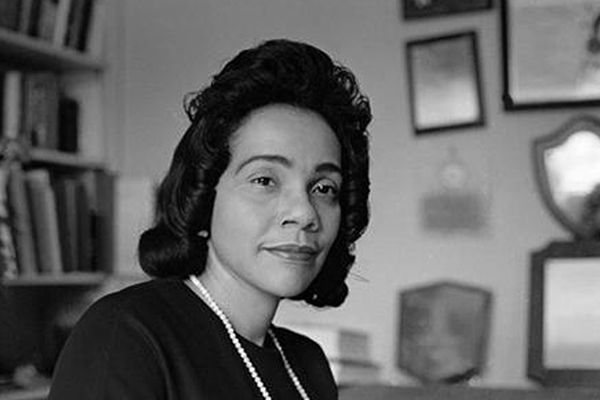
When a bomb shattered the front window of her Montgomery home in 1956, Coretta Scott King gathered her infant daughter and moved to a safer room. She refused to flee the city despite pleas from her family and friends. This moment of courage exemplified a woman who would not be intimidated, neither by violent segregationists nor by those who would later try to diminish her to merely "Mrs. King."
Coretta Scott was born April 27, 1927, in rural Alabama. Growing up, she experienced racial violence firsthand when white neighbors burned her family's home and her father's sawmill. She excelled academically, graduating as valedictorian before attending Antioch College, where she joined the NAACP and peace committees while developing her musical talents.
She met Martin Luther King Jr. while studying at Boston's New England Conservatory of Music, where she was honing her incredible singing voice on a full-ride scholarship. By then, she was already politically engaged. When they were married in 1953, she deliberately removed the word "obey" from her vows and was committed to creating a partnership rooted in shared values.
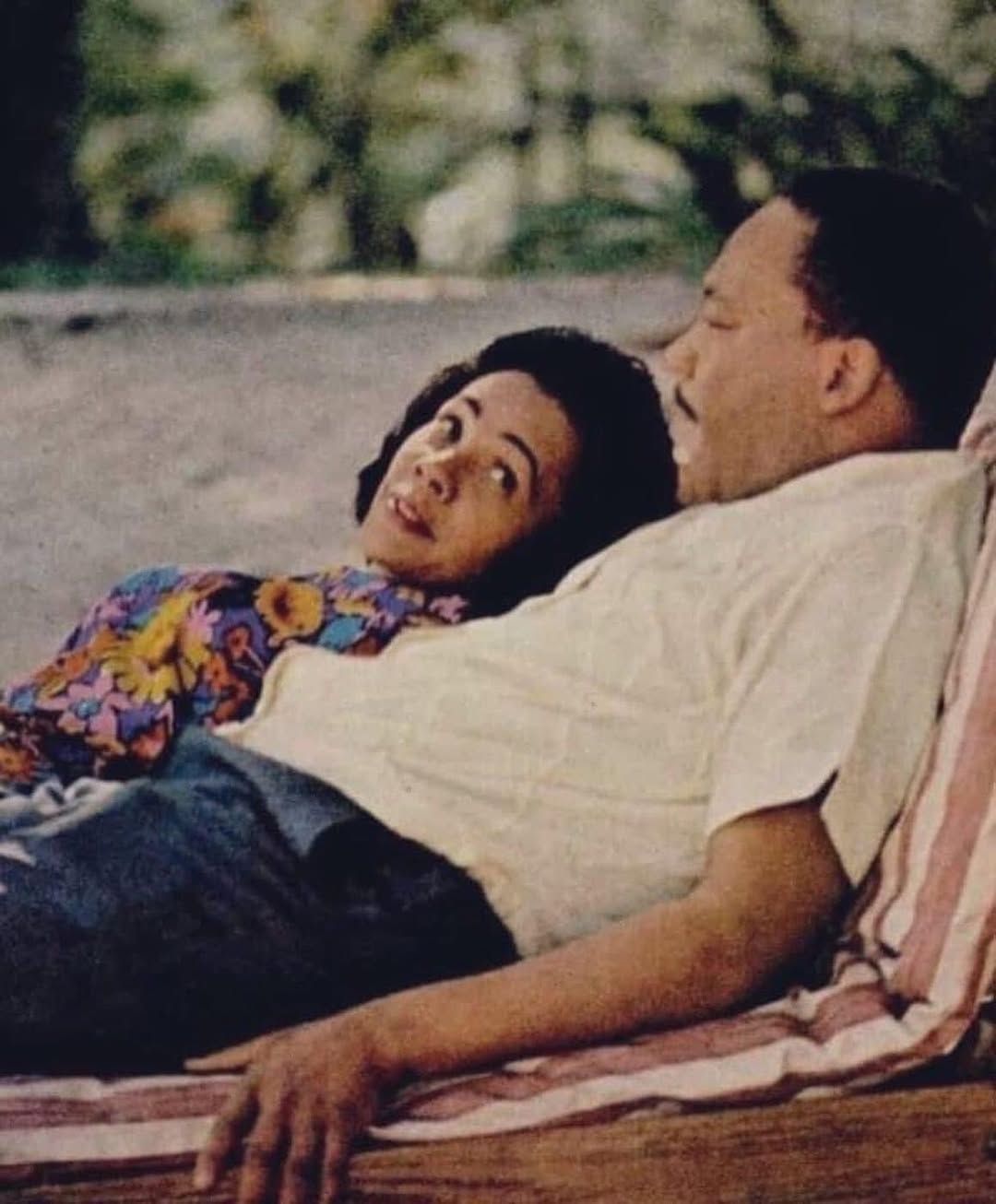
Color photo of Coretta and Martin Luther King on vacation in Jamaica. Both are reclining casually on pool chairs, and Coretta is looking lovingly at her husband. Photo Source: Bernice King on Facebook
She played an integral part in the work Dr. King is known for, and her contributions are often erased. She created "Freedom Concerts," an evening that combined poetry, spoken word, and music to galvanize people around the Civil Rights Movement. All funds raised went to the Southern Christian Leadership Conference, a pivotal organization founded by Dr. King that used nonviolent protest and civil disobedience to challenge racial segregation and discrimination. This concert series toured the nation and kept the organization afloat.
When assassination claimed her husband in 1968, Coretta immediately stepped forward. Just four days after his death, she led the Memphis sanitation workers' march he had planned to attend. Within months, she founded the King Center for Nonviolent Social Change in Atlanta, which still acts today as the movement behind her shared vision with Dr. King. Through that, she launched the Poor People's Campaign, an initiative her late husband had been organizing dedicated to fighting for economic freedom for lower-income communities. Their work continues to this day. She lobbied to have Dr. King's birthday declared a national holiday, which was enacted in 1983.
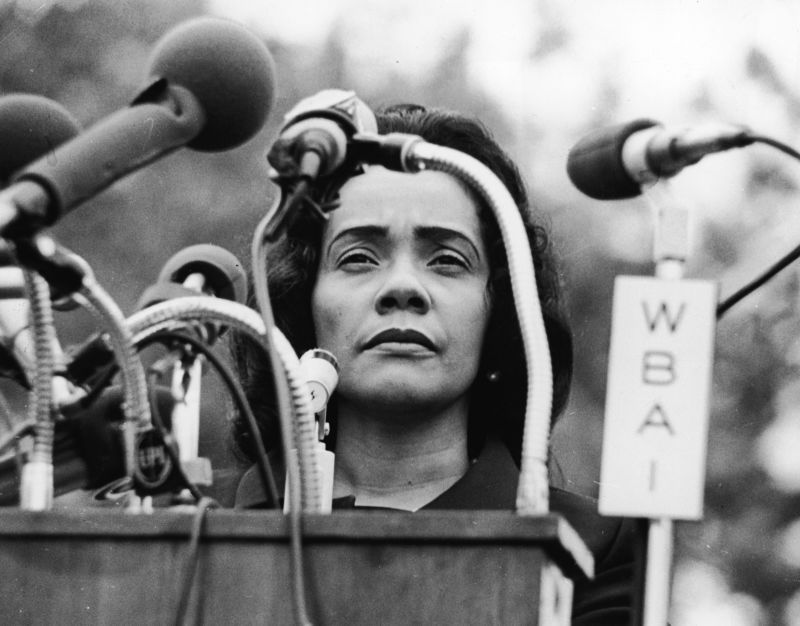
A black and white photo of King, standing behind a podium covered in microphones at Peace-In-Vietnam Rally, Central Park, New York, April 27, 1968.. Photo Source: Hulton Archive/Getty Images
She was also more radical than her husband and his contemporaries, acting as an early supporter for LGBTQ+ rights and nuclear disarmament despite criticism from within the civil rights community. She was also openly critical of America’s involvement in the Vietnam War, and delivered a powerful speech against it at Madison Square Garden in 1968, weeks after her husband’s assassination. She reframed political discourse by broadening the definition of violence: "Neglecting school children is violence. Punishing a mother and her family is violence... Ignoring medical needs is violence. Contempt for poverty is violence."
As a Women's Strike for Peace delegate, a US-based women's peace activist group founded in 1961, she traveled to Ghana, India, and Switzerland. She built coalitions of more than 800 human rights organizations and trained 300,000 South Africans in nonviolence principles before their first democratic elections.
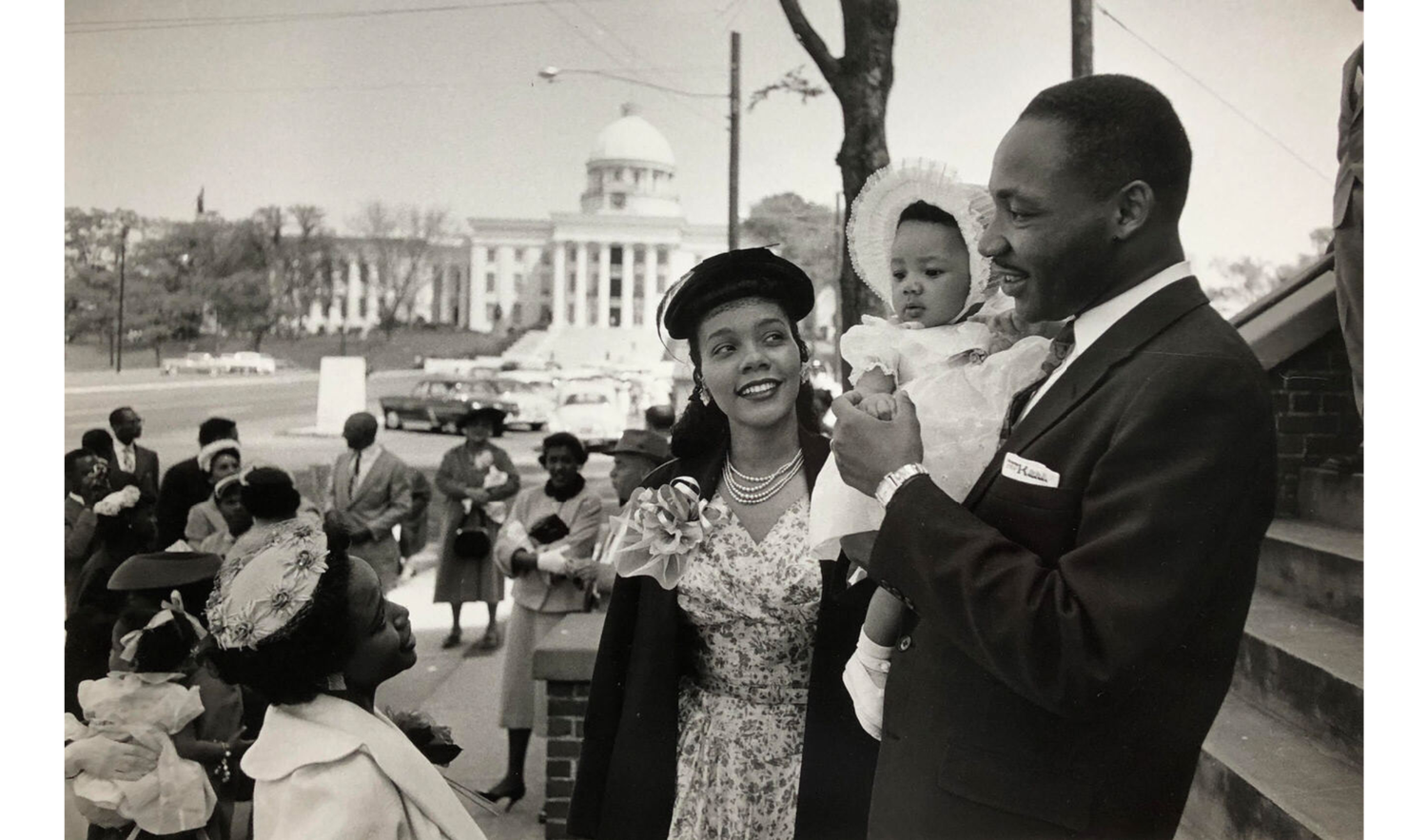
A black and white photograph of Martin and Coretta Scott King with their daughter Yolanda, a toddler, all dressed in their Sunday best walking into Dexter Avenue Baptist Church in 1956. A man is stooped and shaking Yolanda’s hand. Photo taken by Dan Weiner, © John Broderick.
Coretta Scott King balanced activism while raising four children: Yolanda Denise (born 1955), Martin Luther III (born 1957), Dexter Scott (born 1961), and Bernice Albertine (born 1963). Their family home became a vibrant hub for both church activities and civil rights organizing. She held the family together through profound grief, bomb threats, and persistent threats to their wellbeing. Through it al, she never shied away from what the work called for.
"I am made to sound like an attachment to a vacuum cleaner, the wife of Martin, then the widow of Martin, all of which I was proud to be. But I was never just a wife, nor a widow. I was always more than a label." Coretta Scott King
Until she died in 2006, Coretta Scott King remained a powerful leader in the civil rights movement. Although much of her work honored her husband’s legacy, she was dedicated to cultivating her own voice, stood in defiance of his outdated views, and raised a family during turmoil. Her work, leadership, and motherhood helped shape America's ongoing journey toward justice – without her, millions of people wouldn’t be prompted to follow in her footsteps each year on her late husband’s birthday.
Reflection Questions
How did Coretta Scott King's creation of "Freedom Concerts" demonstrate her unique approach to activism? What creative strategies might be effective for social justice work today?When Coretta Scott King continued the Poor People's Campaign after 1968, how did this expand the civil rights movement beyond legal desegregation to address economic inequalities?
Learn More
The Coretta Scott King Book Awards annually recognize outstanding books for young adults and children by African American authors and illustrators. Explore some titles >Coretta Scott King took the place of her husband, Dr. Martin Luther King, as Harvard's commencement speaker two months after his assassination. Listen to the speech >Watch King’s keynote speech "The State of the Dream,” shard in July 1994.Read how Coretta Scott King and Dr. Betty Shabazz created a deep friendship after losing their husband’s to state-sanctioned violence.A recent book about the life and legacy of Coretta Scott King missed the mark – read why.Read how newspapers struggled to cover Martin Luther King Jr. and segregation in the North.
Never miss a story
Get stories of overlooked and untold Black history in your inbox, free every week.