Ma Collier
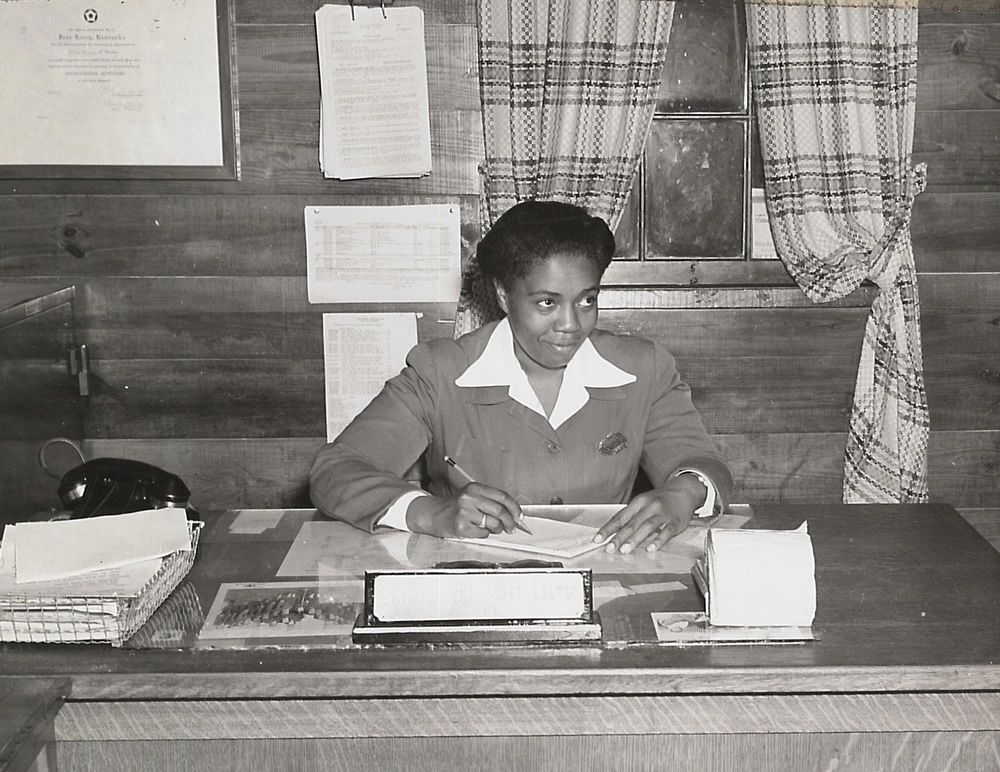
Margaret “Ma” Collier
Margaret "Ma" Collier arrived at Fort Knox, Kentucky in 1942, and faced an environment rooted in rigid segregation. Black soldiers faced discrimination not only from civilian communities but within the military itself, often relegated to service positions and denied the same recreational opportunities as their white counterparts (National WWII Museum). Over one million African Americans served during World War II, yet remained largely invisible in official military programming (University of Kansas).
Collier was already familiar with military life. She was born in Oswego, New York, and her father was a first sergeant at Fort Ontario. But the relatively integrated North was quite different from the still segregated South, and when her family moved to Columbus, GA, the difference was immediately apparent to her. As she later wrote in her unpublished autobiography, "I never really realized I was black until we moved South. In Oswego, I cannot recall having heard (the N-word). Mother and Grandmother had both been born in the North. I had no way of knowing what to expect when we moved" (The News-Enterprise).
Collier got a job at Fort Knox in 1942, and was appointed head hostess of Service Club 4, part of the Army Hostess and Librarian Service. She was the first African American woman hired for such a role, and her goal was to boost the morale of the Black soldiers. Quickly, she learned that this required more than just supporting their basic needs. These soldiers were fighting two wars – one for democracy abroad, and the other for racial equity at home. In fact, the "Double V" campaign was launched that year to rally Black soldiers around this dual mission (NPS).
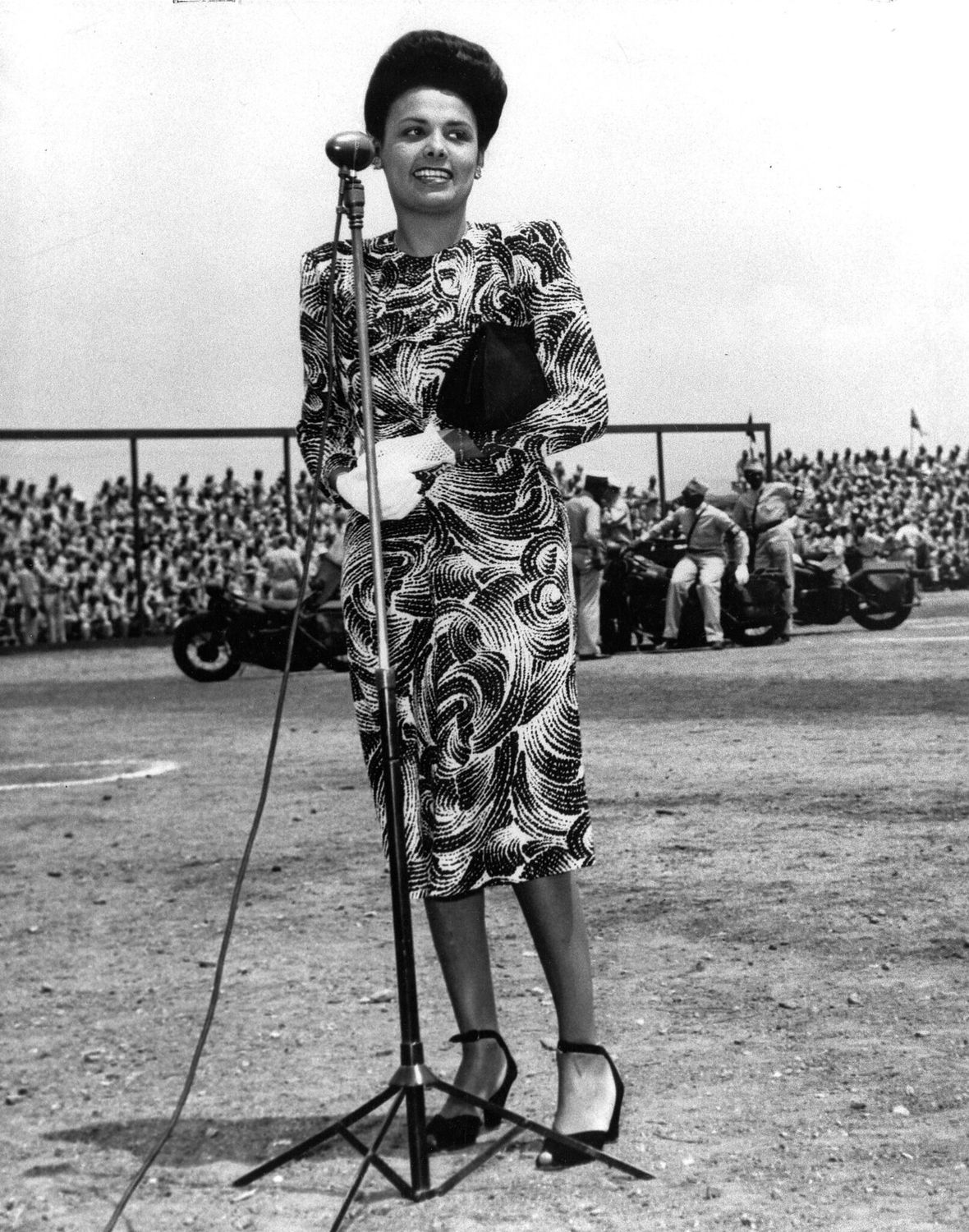
A black and white photograph of Lena Horne performing outdoors in a baseball field at Fort Huachuca in 1943. She’s wearing a long sleeved, patterned dress, heels and has her hair coiffed, and standing in front of a microphone with hundreds of servicemen behind her. Photo Source: Flickr
She embarked on a mission to bring Black entertainers to Fort Knox with the full support of then-Commanding General of Fort Knox Maj. Gen. Jacob Devers. Devers had already earned a reputation for progressive racial policies, allowing Black officer candidates to train alongside white counterparts before official integration (Army). This created a unique collaboration between a Black civilian woman and a white military commander. Music had always been a way to boost morale for soldiers, but was primarily through military bands. Bringing celebrated performers from outside the industry was a daunting endeavor, but Collier made it happen.
Under her leadership, Fort Knox became a go-to destination for America's most celebrated Black entertainers. The lineup was incredible. Lena Horne, Louis Armstrong, Duke Ellington, the Nat King Cole Trio, Dizzy Gillespie, Lionel Hampton, Eddie "Rochester" Anderson, and Cab Calloway, and Ray Charles performed at the base. Sports legends like Jesse Owens and Joe Louis visited, too. She created what is now known as one of the most progressive entertainment programs in the military.
This programming stood in stark contrast to the broader USO experience for Black performers. Because they, too, had to navigate segregated bases, many Black performers faced subpar conditions, required to perform separate shows for Black troops after entertaining white audiences and being forced to stay elsewhere if a base wouldn't allow Black people to sleep there.
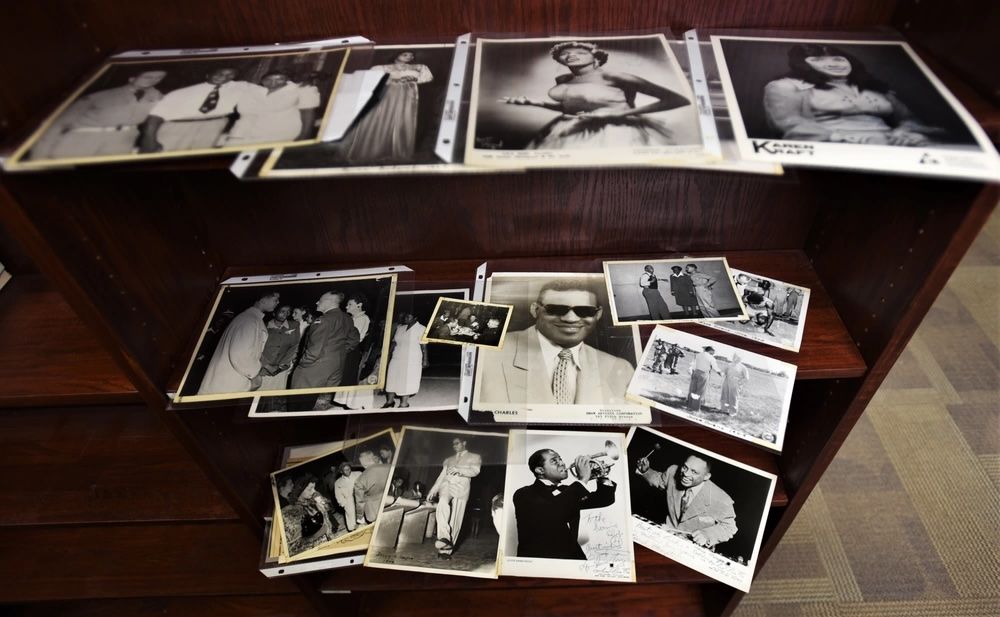
A collection of signed black and white photographs gifted to Collier from the performers that came to Fort Knox, including Olympic gold medalist Jesse Owens, boxing legend Joe Lewis, jazz greats Dizzy Gillespie, Louis Armstrong, Lionel Hampton and Lena Horne, and Ray Charles. Photo Source: dvids
Lena Horne performed for the USO for years but was adamant about supporting Black troops. In Arkansas, she arrived at a base to perform and found that German prisoners of war were seated in front of Black American servicemen, showing, even then, who was more important. Famously, she walked to the back of the room to perform directly for the Black audience members. After the USO refused to change these discriminatory policies, Horne quit the USO but used her own funds to organize and perform at Army camps for Black troops (Medium).
Because Collier understood that representation mattered beyond entertainment value, her program stood as a testament to the elevated types of experiences Black soldiers deserved. Fort Knox historic preservation specialist Matthew Rector noted that her work impacted all servicemembers, not just the Black ones. "These stars were brought in to support the morale of black Soldiers, but their talent was something that white audiences could appreciate as well" (Army)." This crossover appeal showed that integration was not just possible, but welcomed by many servicemembers who were simply focused on protecting their communities and staying well in the process.
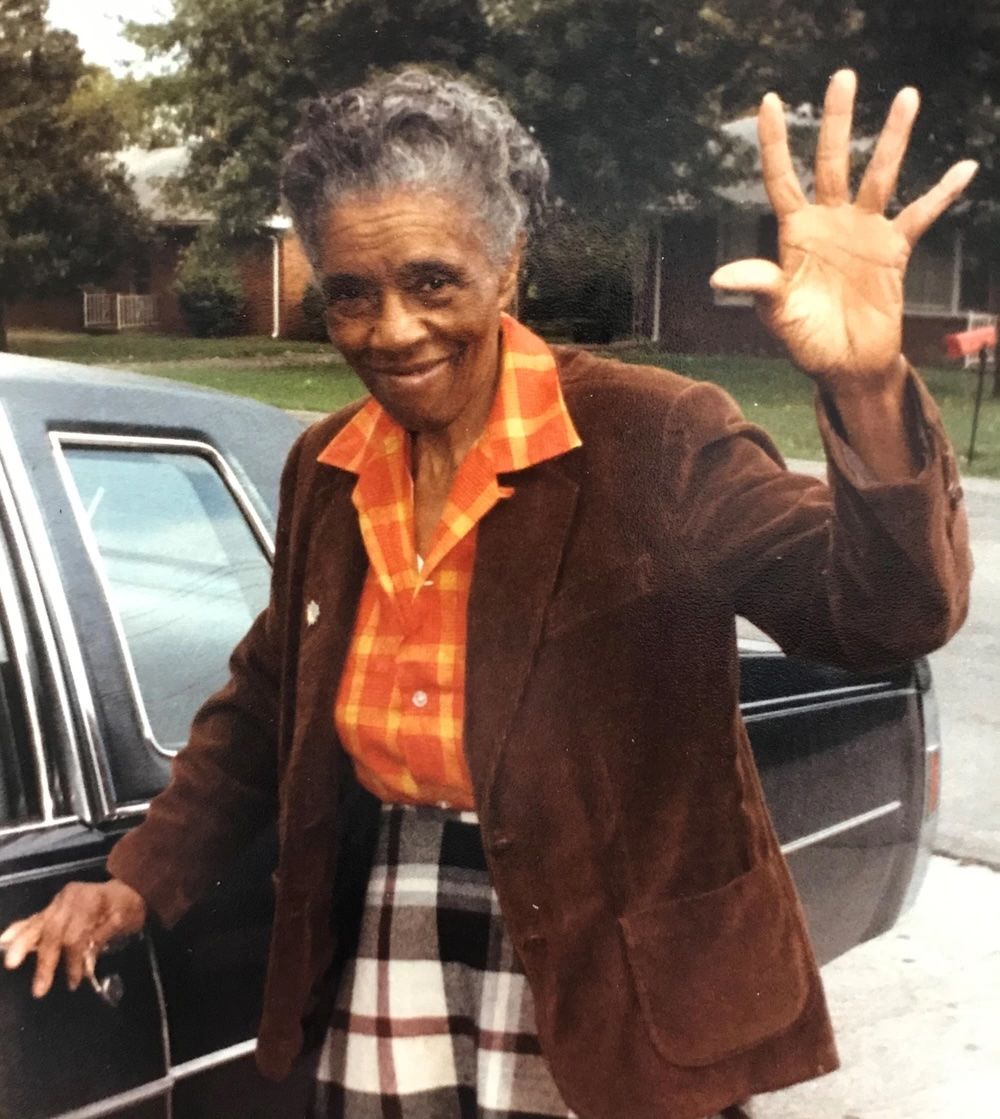
A color photograph of Margaret Collier on the day of her retirement after 35 years of service to the community. She stands in front of a black car, one hand resting on the door handle, the other making a waving gesture, with a smile on her face. She is wearing a brown plaid skirt, an orange and yellow plaid button-down, and a brown blazer. Photo Source: dvids
Beyond entertainment, Collier established educational programs to teach soldiers basic reading and writing, preparing them for both military service and civilian life. As she recalled, "I will never forget how amazed I was when about 40 [black recruits] got off the train and didn't even have shoes. They'd always been out in the fields. I also saw whites, many from the hills, that didn't have shoes and couldn't write. All my life and my work, I've seen both sides as they were (The News-Enterprise)."
When President Truman integrated the Armed Services in 1948, Collier expanded her advocacy to serve all Fort Knox soldiers regardless of race. She was offered a position as a liaison for the Department of the Army in Washington D.C., but turned it down because she felt the Fort Knox community needed her more (Army).
Collier received the Meritorious Civilian Service Award at her retirement in 1976, recognition for a career that spanned the era from military segregation through integration. When she died in 1991 at age 81, she was buried in Fort Knox's St. Patrick Cemetery, near many of the soldiers she had served (Army). Among her personal effects, donated to the General George S. Patton Museum, are signed photographs from the entertainers she brought to Fort Knox — testaments to relationships that transformed military entertainment and advanced the cause of racial justice.
Reflection Questions
Collier's partnership with General Devers showed how allies in positions of power could amplify marginalized voices. How can similar partnerships today advance equity in institutions and organizations?Consider how Collier used entertainment and education to build dignity and opportunity. What role can cultural programming play in addressing systemic inequalities in your community?
Learn More
Visit the General George S. Patton Museum at Fort Knox, which houses Collier's personal memorabilia and unpublished autobiography.Explore the Kentucky Black Trailblazers website to learn more about Collier's legacy.Research the USO's history of serving segregated troops to understand the broader context of Collier's work.Study the Double V campaign to understand how Black Americans connected military service with civil rights activism.Read about Jacob L. Devers' progressive leadership and his role in advancing military integration.Visit Fort Knox's St. Patrick Cemetery where Collier is buried alongside many of the soldiers she served.
Never miss a story
Get stories of overlooked and untold Black history in your inbox, free every week.