Negro History Week
Black History Month
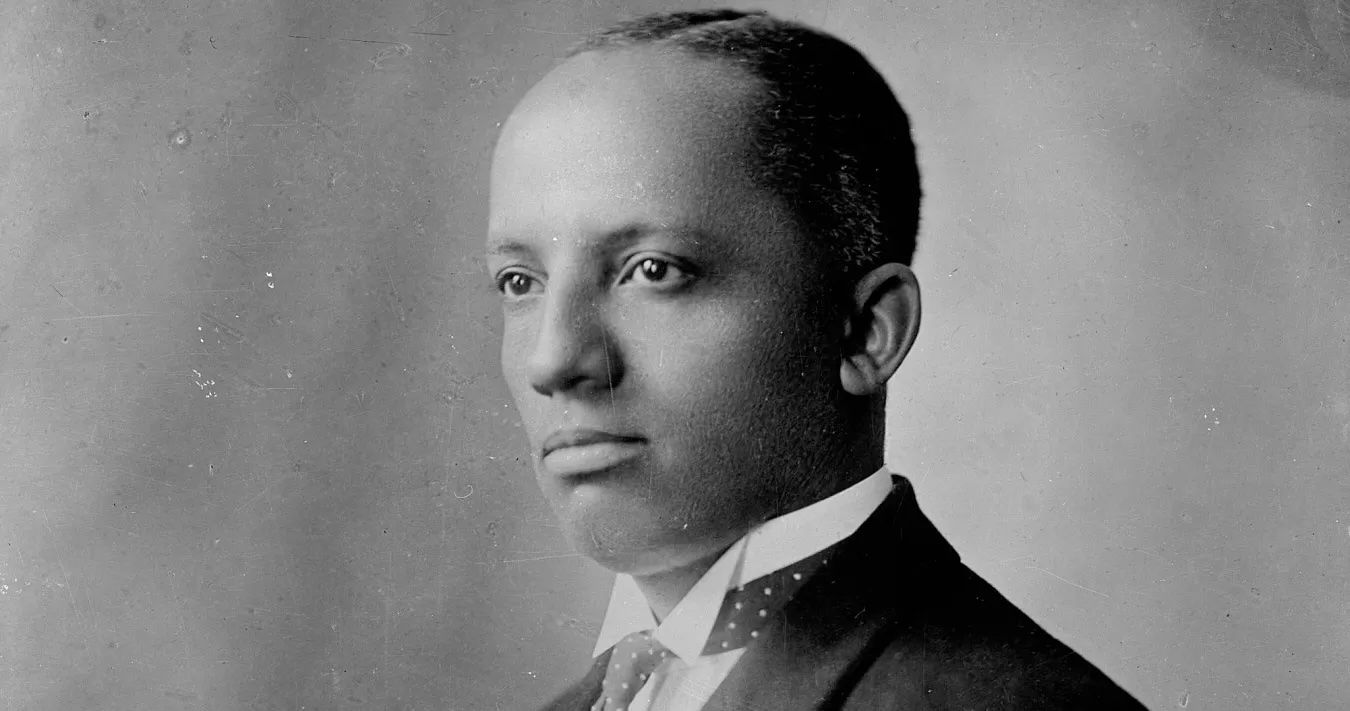
An educator and scholar, author and historian, Dr. Carter G. Woodson devoted his life to the preservation and education of Black history. His time spent pursuing higher education taught him that the official school curriculum was designed to uphold anti-Black sentiment, only contributing to the inequities in society.
He is most known for establishing Negro History Week in 1926, which led to the Black History Month that we celebrate today. Woodson chose the second week in February because it contained the birthdays of two major influences in Black life at the time: Abraham Lincoln (February 12) and Frederick Douglass (February 14). Related: Born into slavery, Douglass didn’t know his exact birth date, but he chose to celebrate on February 14th. He encouraged schools and universities to honor Negro History Week by dedicating the week’s classes to Black history across disciplines.
The idea took root slowly, but was accelerated by the Civil Rights Movement in the 1960s. A group of Black students at Kent University, frustrated by the racial inequities in both the country and on campus, organized a sit-in on campus. Some were arrested and charged with disorderly conduct, a charge the university refused to reverse. In February 1968, over 250 students staged a silent walkout. It was so effective that all charges were dropped, and the university committed to investing in African American and pan-African studies. Moreover, they expanded their Negro History Week to Black History Month, a month long focus of Black studies. This is the first known formal commemoration of the commemoration we know today.
In 1976, President Gerald R. Ford officially recognized Black History Month as a federal commemoration, urging Americans to "seize the opportunity to honor the too-often neglected accomplishments of Black Americans in every area of endeavor throughout our history."
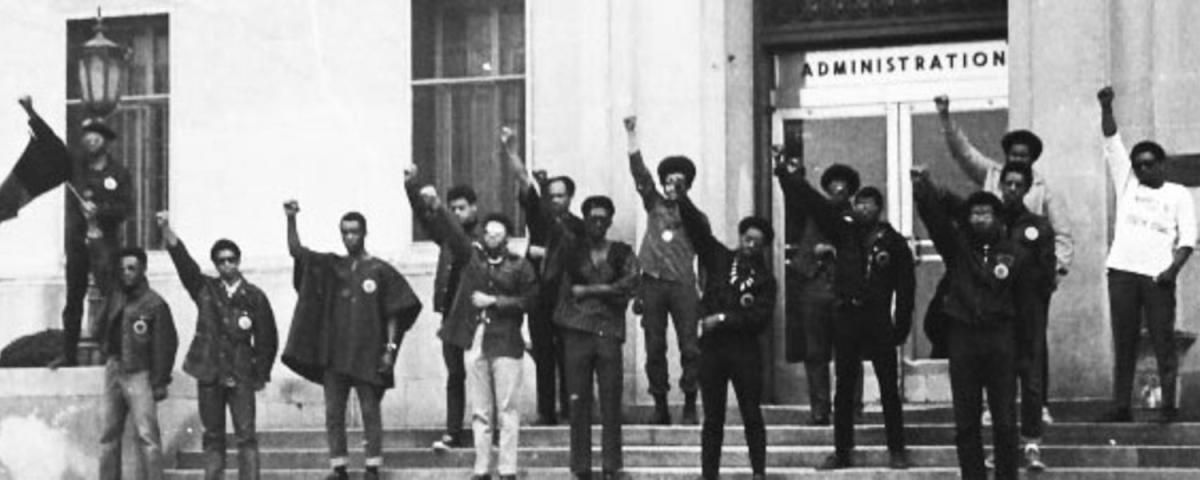
A black and white photograph of a group of seventeen Black United Students standing on the steps of the university’s administration with their fists raised in Black solidarity. Photo Source: Kent University
But this is only one of Dr. Woodson’s contributions to preserving Black culture. He also founded the Association for the Study of Negro Life and History, an organization committed to “collecting records pertaining to Black America’s past and disseminate the truth about African American history.” The organization was later renamed the Association for the Study of Afro-American Life and History in 1973, and is referred to as ASALH for the remainder of this article.
At the request of Mary McLeod Bethune, founder of Bethune-Cookman College, advisor to President Franklin D. Roosevelt, and the first woman president of ASALH from 1936 to 1951, the ASALH published the “Negro History Bulletin,” a monthly newsletter curated by Black leaders that provided a comprehensive overview of Black history. The resource was designed to provide middle and high school teachers with enough context to create lesson plans for their students. The February 1941 issue, for example, highlights Black history in Central and South America. This work was accompanied by a series of Negro History clubs for Black educators and other individuals passionate about learning their history, annual conventions, and celebrations to honor Negro History Week.
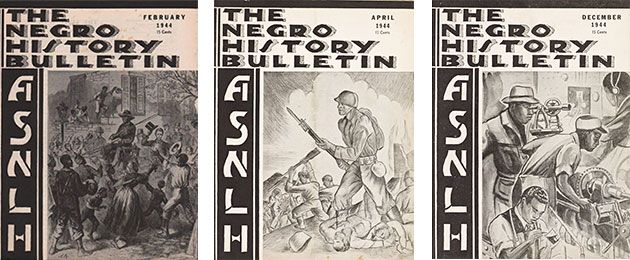
An image of three photographs of the covers of Negro History Bulletins, each depicting different moments in culture on their covers. Image Source: Teaching for Change
Now referred to as the Black History Bulletin, this publication is still produced and distributed by the ASALH. But its mission remains the same. The publication centers “articles on all aspects of Black history, especially those written with a focus on (1) middle school U.S. history; (2) high school U.S. history; (3) teacher preparation U.S. history methods.” You can purchase the latest issue on their website.
To this day, independent reporting and publishing is still a critical component of preserving and distributing Black history in America. The rise of digital newsletters (like the one you’re reading) makes it easier for journalists, historians, and educators to disseminate useful information directly. Google Docs has proved to be a powerful way to share actionable resources related to protests. Physical bulletins, often referred to as zines, are disseminating critical information on systemic injustices.
And it’s necessary because many school curriculums today still fail to provide a comprehensive overview of Black history in the U.S. Since January 2021, at least 18 states have passed laws restricting the teaching of "critical race theory" or, more broadly, how race and systemic racism are taught in K-12 public schools. Through banning language, defunding public arts, and attacking DEI, the Trump administration has tried to erase the history of Black and other marginalized groups.
Our history has always been stewarded by passionate people determined not to let it disappear. And we can be those people. When we remember stories untold, appreciate the lives and legacies of those who came before, and invest in platforms that make these stories accessible, we ensure that tomorrow is informed by the best of yesterday, and inspire others to steward the future we deserve.
Reflection Questions
Dr. Woodson recognized that school curriculum was being used as a tool to uphold anti-Black sentiment. Where do you see that same dynamic playing out today?The students at Kent University didn't wait for permission. They organized, walked out, and won. What would that kind of collective action look like in your community right now?Independent publishing — newsletters, zines, bulletins — has always been part of how Black history survives. What stories in your own community are waiting for someone to write them down?
Learn More
Read how the Negro History Bulletin led this person to a life of activism.Watch this video outlining how Kent State's Black United Students helped turn a week into a national observance.Learn more about the life and legacy of Dr. Woodson in this video.
Never miss a story
Get stories of overlooked and untold Black history in your inbox, free every week.