Addie L. Wyatt
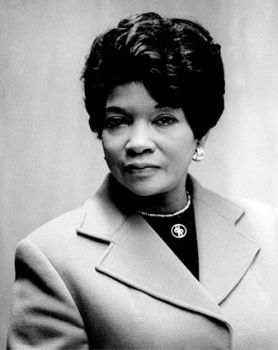
Day 27: Addie L. Wyatt
As the first Black woman to hold senior leadership in American unions, Wyatt fought simultaneously for labor rights and civil rights through innovative multiracial organizing.
Her work securing equal pay provisions and founding influential coalitions created a lasting framework for addressing intersecting inequalities.
In 1941, Addie L. Wyatt arrived for her first day as a typist at Armour and Company in Chicago only to discover Black women weren't hired for office jobs. Instead, she was sent to the canning department, packing stew for the army. This experience of workplace discrimination sparked what would become a groundbreaking career fighting for both labor and civil rights.
The meatpacking industry of the 1940s was defined by racial hierarchies and gender discrimination. White men occupied skilled, higher-paying positions while Black workers—particularly women—were confined to the most difficult, lowest-paying roles. In this environment, Wyatt found the United Packinghouse Workers of America (UPWA), a union that actively fought discrimination. We learned about the UPWA when we met Charles S. Hayes earlier in the series!
Wyatt quickly demonstrated exceptional leadership abilities. By 1953, she became vice president of Local 56, making her the first Black woman to hold senior office in an American labor union. By 1955, she advanced to Program Coordinator for District One of the UPWA, overseeing organizing efforts across five states.
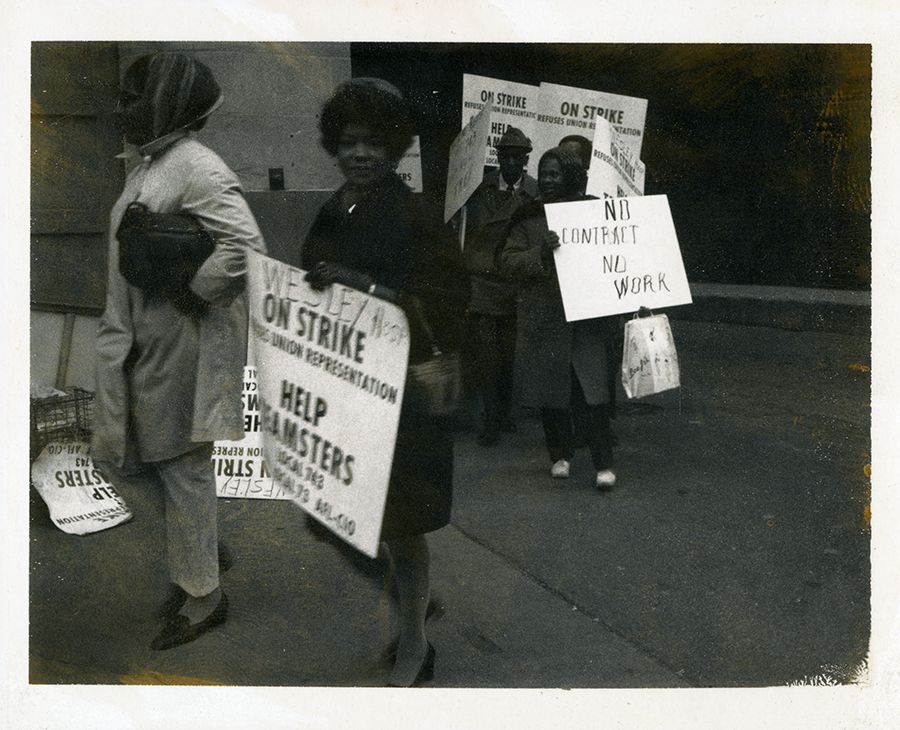
A black and white photograph of Wyatt holding a sign and smiling at the camera while walking the Wesley Hospital picket line with others, 1970s. Photo source: Chicago Public Library, Vivian G. Harsh Research Collection
Wyatt understood that economic justice and racial justice were inseparable. In 1955, she began working directly with Dr. Martin Luther King Jr., helping raise funds for the Montgomery Improvement Association. This partnership continued throughout the civil rights movement, with Wyatt participating in major actions including the March on Washington and the Selma to Montgomery march. She was also ordained as a Church of God minister in 1955, and her faith deeply influenced her work.
Wyatt acted as a labor adviser to the Southern Christian Leadership Conference, and brought working-class economic concerns into civil rights strategy. And through Operation Breadbasket, a civil rights program led by the SCLC, she connected labor organizing tactics with community needs, using boycotts and negotiations to secure jobs and services for underserved communities.
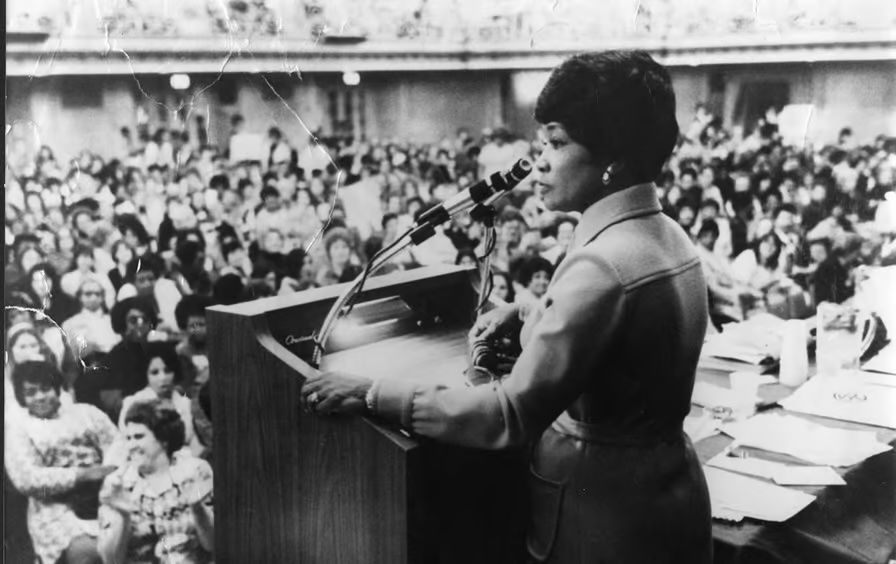
A black and white photograph of Wyatt in 1974 speaking at the first Coalition of Labor Union Women convention in Chicago. Photo Source: Chicago Public Library, Vivian G. Harsh Research Collection
As the UPWA merged with the Amalgamated Meat Cutters, Wyatt served as director of Women's Affairs and Human Rights departments. By the 1970s, she had become a powerful figure in the United Food and Commercial Workers International Union
Recognizing the need for specialized advocacy, Wyatt co-founded two organizations that still rally for equity today:
The Coalition of Black Trade Unionists (1972) ensured Black workers' voices were heard in labor policy. As chair of its Women's Committee, Wyatt successfully pressured AFL-CIO unions to open leadership positions to women.The Coalition of Labor Union Women (1974) addressed challenges faced by women workers, winning battles for maternity leave, protection from harassment, and childcare support—issues largely ignored by male leadership.
In 1976, Wyatt became international vice president of the United Food and Commercial Workers (UFCW)—the first African American woman to reach a executive position in an international union. This represented not just a personal triumph but a structural breakthrough for both women and Black people in the labor movement.
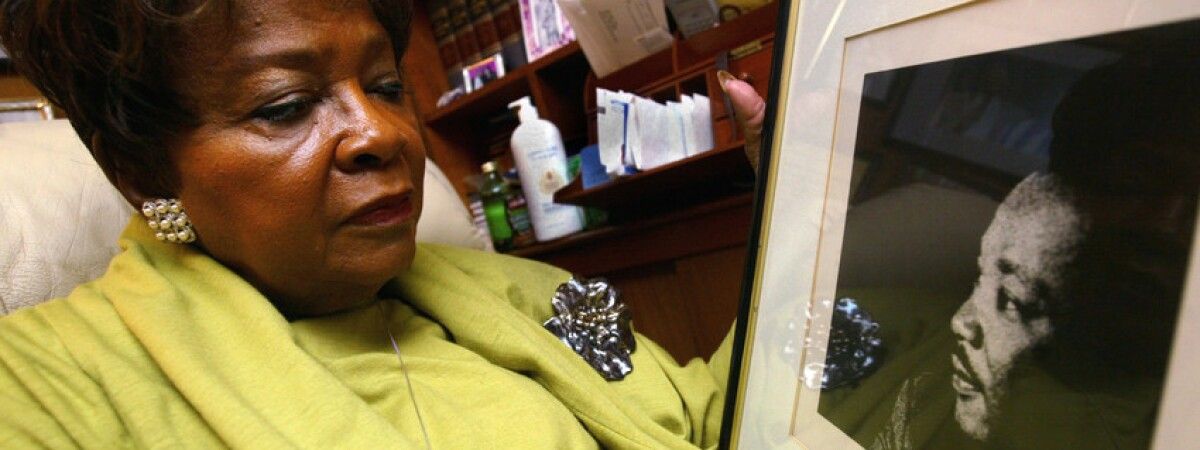
A color photograph of Wyatt, taken later in life, showing her in a smart green suit looking at a black and white photograph of Dr. Martin Luther King, Jr. Photo Source: AP/Nam Y. Huh
In recognition of her work against discrimination in employment practices, Time magazine named Wyatt one of their "Women of the Year" in 1975. The Addie L. Wyatt Award, established by the Coalition of Black Trade Unionists in 1987, honor those carrying forward her commitment to labor rights and social justice.
Addie Wyatt transformed not just her workplace but the structure of American labor organizing itself. She proved that by standing together across racial lines, workers could build power and create change that extends far beyond the factory floor. Her approach to organizing continues to influence modern labor movements today.
Reflection Questions
Addie Wyatt fought for equality on multiple fronts, addressing both racial and gender discrimination in labor organizing. How did her intersectional approach to activism differ from other labor and civil rights leaders of her era, and what lessons does her work offer for addressing today's workplace inequities?Wyatt collaborated with others to help their activism be successful, even when the projects were adjacent to her own. What does that teach us about activism and coalition building?
Learn More
Read the book “Reverend Addie Wyatt: Faith and the Fight for Labor, Gender, and Racial Equality,” about Wyatt’s life and legacyWatch this interview with Addie L. Wyatt and Alice BernsteinRead this thoughtful overview of Wyatt’s life and legacy written by modern-day labor organizer Kim Kelly
Never miss a story
Get stories of overlooked and untold Black history in your inbox, free every week.