Black Music Month
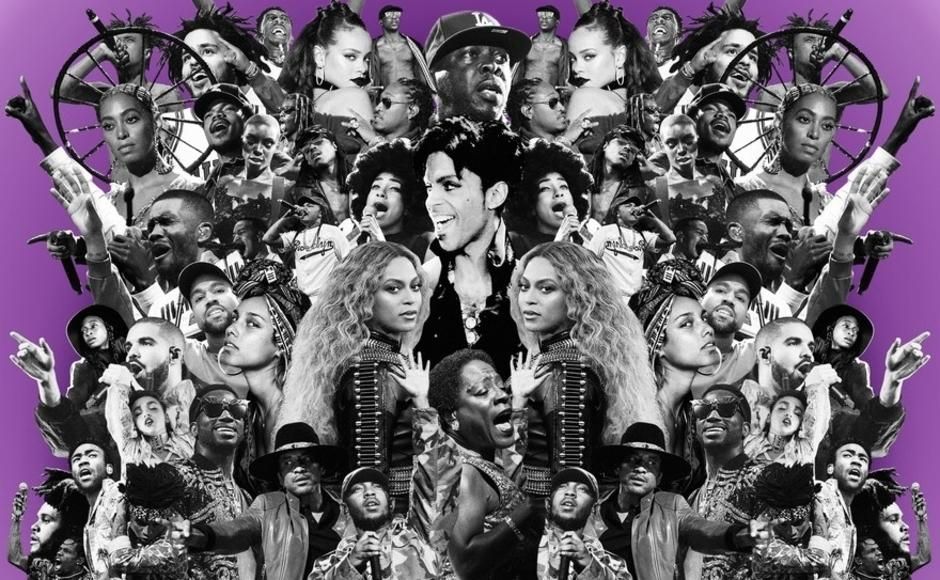
Black culture–particularly African American culture–has deeply influenced much of the music in the U.S. The earliest forms of Black musical expression in America were spirituals, which combined Christian psalms with African music styles and told the story of slavery's hardships. Gospel music grew out of the Black church and moved from worship services to become a commercial genre recognized globally. Folk music came from field hollers, work chants, and game songs, packed with social commentary that still shows up in hip-hop today. The blues became the foundation for modern American music, with different regional styles emerging in places like the Mississippi Delta, Memphis, and Chicago—each with its own distinct sound reflecting local experiences.
Jazz started in New Orleans and grew from ragtime into everything from 1920s big-band music to experimental modern jazz. R&B mixed jazz, blues, and gospel and helped break down racial barriers on radio and in venues. Rock 'n' roll took elements from all these Black musical genres and combined them with pop and country to create the sound that defined 1950s youth rebellion. Hip-hop and rap emerged as distinctly African American art forms that became global phenomena, giving artists a way to speak out on social and political issues. Beyond these major genres, African American musicians have shaped classical music, country, pop, and dance music like disco, techno, and house. Millions of people worldwide listen to music that carries African American musical traditions, making it one of the most influential cultural contributions in history.
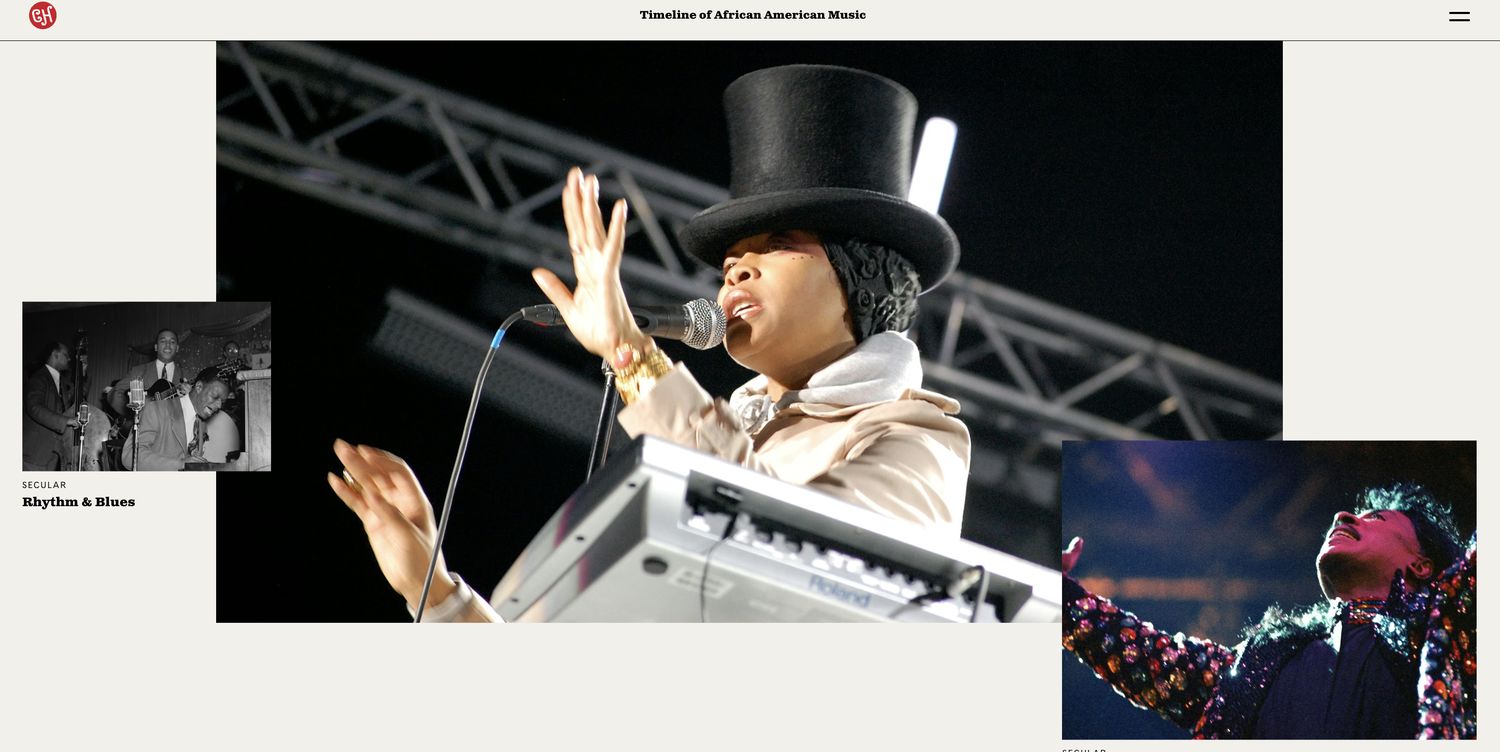
A screenshot of the Timeline of African American Music, featuring photos of (from left) Wesley Prince, Oscar Moore, and Nat King Cole, Erykah Badu, and Little Richard. Image Source: Carnegie Hall
Explore this interactive timeline of Black music throughout history. Editor’s Note: You might lose hours of your time getting lost in here. Consider yourself warned!
But, throughout history, Black artists have had to fight to be represented in the industry. During Jim Crow, performers would be invited to perform, yet unable to eat at nearby restaurants or stay at local hotels. In the 50s and 60s, artists considered to be “too Black” wouldn’t get the same airtime on the radio. From 2012 to 2020, Black artists received only 26.7% of Grammy award nominations, despite representing over 38% of all artists on the US Billboard Hot 100 chart. And since its inception, only twelve Black artists have won the Grammy Album of the Year Award, including Beyoncé’s win in 2025, the first Black woman to win in the 21st century. Even today, the racial discrimination in tech makes it more difficult for Black artists to break through the algorithm.
Two pioneers in the music–producer and songwriter inductee Kenny Gamble and broadcaster Ed Wright–were experiencing this firsthand. They were inspired by the Country Music Association, the first organization in the industry to support a genre of music, which ran Country Music Month, celebrated each October. Along with a group of Black artists and music executives, Gamble and Wright formed the Black Music Association in 1978 (which continues to this day). Through their advocacy efforts, President Jimmy Carter publicized June as African American Music Appreciation Month in 1979 and hosted a celebration on the White House lawn featuring prominent Black artists, including Sarah Vaughan, Chuck Berry and Billy Eckstine.

Watch President Carter introduce the White House concert for Black Music Month, followed by a snippet of the performances that evening.
This was a major step forward for the movement, but Black Music Month hadn’t formally been enacted as an official observance. That’s when DJ, media strategist, and activist Dyana Williams stepped in. In the late 90s, she worked alongside former U.S. Rep. Chaka Fattah to draft House Resolution 509, better known as The African-American Music Bill. It garnered unanimous support in the House of Representatives before President Clinton signed it into law. Williams is currently a founding board member of the National Museum of African American Music in Nashville, TN, where she co-leads the museum’s Music Industry Relations Collective, and is affectionately known as “The Mother of Black Music Month.” Now, each June, Black music is given the spotlight it deserves as a beautiful part of the music we’ve grown to love today.
Reflection Questions
Consider the music you listen to regularly. How much of it has roots in African American musical traditions? Williams, Gamble, and Wright had to advocate for official recognition of Black music's contributions. What other cultural contributions from marginalized communities do you think deserve greater recognition and celebration? How can you help amplify these stories?
Learn More
You’ll notice that this article seems to use both the terms “Black” and “African-American”. Today, "African American" typically refers to an ethnic group of Americans with ancestry from enslaved African brought to the U.S., while "Black" is a broader racial term encompassing people of African descent globally, including African, Caribbean, or other immigrants. "Black" represents a wider cultural identity, whereas "African American" refers specifically to a U.S.-based ethnic, historical, and cultural experienceListen to this podcast with former President Clinton in conversation with Questlove about his love for jazz and enacting Black Music MonthWatch this 20-minute video of students explaining the importance of Black music (great for students and kids!)Read this profile on Dyana Williams in the NYTimes, or listen to this podcast episode where she talks about her career and her commitment to honoring Black musicRead more about the economic impact of Black Music Month and the fight to have Black artists recognized
Never miss a story
Get stories of overlooked and untold Black history in your inbox, free every week.