Curt Flood
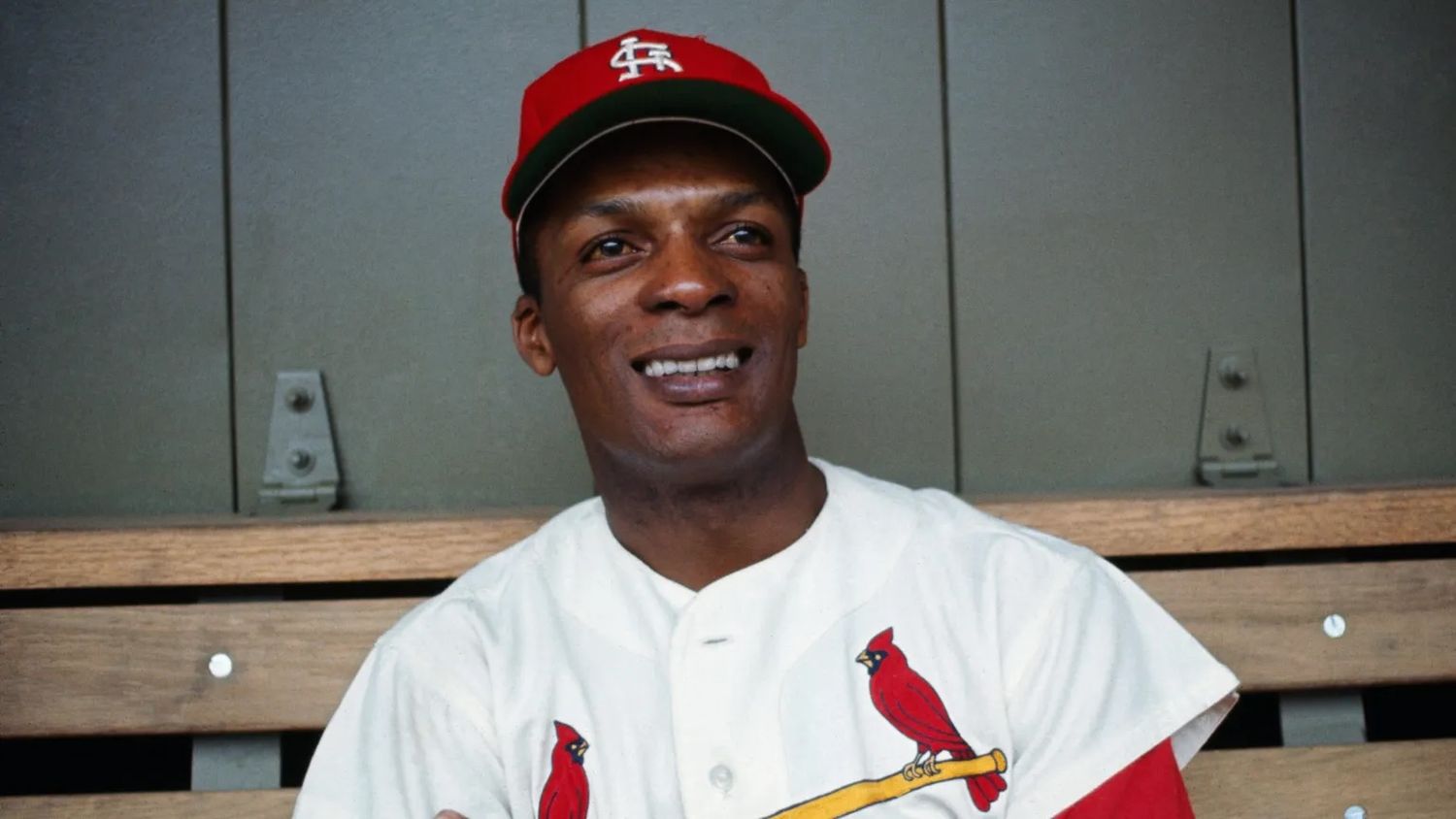
Day 16: Curt Flood
Curt Flood sacrificed his baseball career to challenge the fundamental unfairness of baseball's reserve clause, which bound players to teams for life. His 1969 lawsuit against Major League Baseball laid the groundwork for free agency and demonstrated how the fight for players' rights connected to broader civil rights struggles.
In 1969, Curt Flood was a star centerfielder for the St. Louis Cardinals. He had won seven Gold Glove awards from 1963-1969 and helped lead the Cardinals to three National League pennants (1964, 1967, 1968) and two World Series titles (1964, 1967).
Under baseball's reserve clause at that time, players were stuck with a team until they were traded to another, or released. Players had no say in the matter, nor could they negotiate with other teams or seek better conditions. This was especially restrictive for Black players, who experienced awful segregation and discrimination while playing, from racist teammates to dehumanizing rules, like not being allowed to dress with the white players, or have their uniforms cleaned by the team’s cleaners.
So when the Cardinals decided to trade him to the Philadelphia Phillies in October 1969, Flood saw this as a deep violation of both labor and civil rights. If you have five minutes, watch him talk about it in this short video. As Flood wrote in his 1970 autobiography The Way It Is, "a well-paid slave is nonetheless a slave." So, he refused to report to his new team, citing poor conditions at the team’s training facility, their poor performance last season, and their racist, belligerent fans.
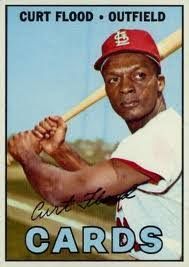
A baseball card with Flood holding a bat, as if about to swing, with his signature and the words “Curt Flood: Outsider” on the top and “Cards” at the bottom. Photo Source: Society for American Baseball Research
Flood wrote to Baseball Commissioner Bowie Kuhn: "After twelve years in the major leagues, I do not feel that I am a piece of property to be bought and sold irrespective of my wishes." He requested to be declared a free agent.
Kuhn denied his request. But wose, he made Flood’s letter public to humiliate him. Flood was scorned by fellow players and fans. But that didn’t stop him. He filed a lawsuit against the Major League Baseball, and the case made its way to the Supreme Court. In Flood v. Kuhn, he argued that baseball's reserve clause violated federal antitrust laws and the 13th Amendment's prohibition of involuntary servitude. The lawsuit effectively ended his career – he played only 13 games in 1971 for the Washington Senators before retiring.
"I lost my career," Flood testified before Congress in 1971. "But I helped drive the point home that a player is not a piece of property." Few active players supported him publicly, but the Major League Baseball Players Association, led by executive director Marvin Miller, funded his legal battle.
Ultimately, in 1972 the Supreme Court ruled in favor of Kuhn and the position of the MLB, upholding the league’s antitrust exemption in a 5-3 decision. But his challenge helped catalyze change. In December 1975, influenced by his advocacy, arbitrator Peter Seitz ruled in the Messersmith-McNally case that players could become free agents after playing one year without a contract, effectively ending the reserve clause.
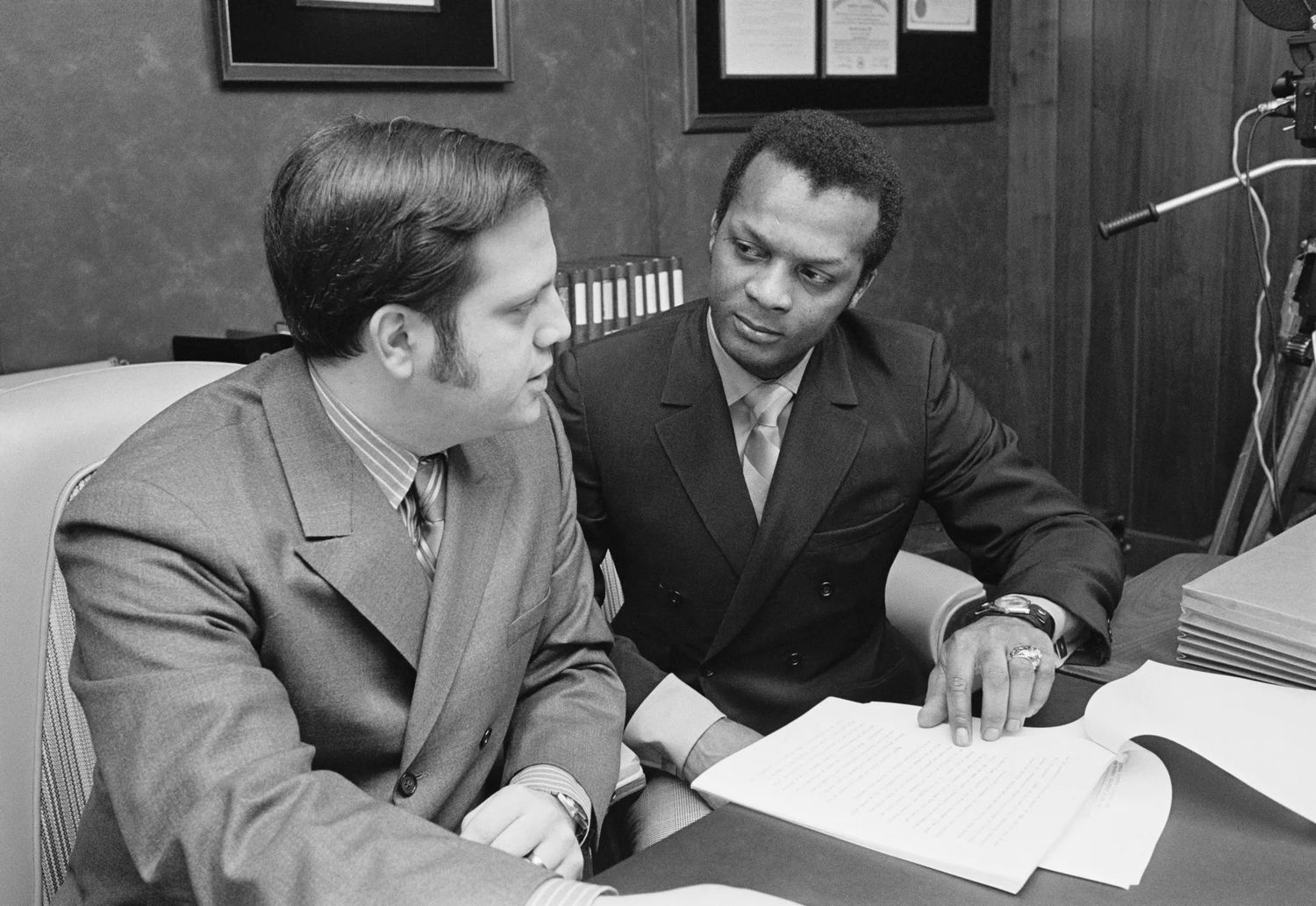
A black and white photo of Curt Flood (right) with his attorney Allan H. Zerman (left) in an office space or court room discussing a stack of papers. Photo Source: Getty Images
Flood faced significant personal consequences. He was effectively blackballed from baseball, struggled with alcohol, and received death threats. In his autobiography, he wrote: "I am pleased that God made my skin black, but I only wish he had made it thicker. And I'd be lying if I told you that as a black man in baseball I hadn't gone through worse times than my teammates."
And yet his legacy lives on. Flood's stand influenced athletes in other sports to challenge similar restrictions. His argument that players weren't property aligned with civil rights principles of human dignity and self-determination. And as we watch athletes rally for gender equity, trans rights, and fair representation and agency, we know that Flood’s work will continue within those brave enough to keep striving.
Reflection Questions
Flood sacrificed his career to challenge an unjust system. What systems today require similar courage to confront, and how can we support those who take such stands?Consider how Flood connected labor rights to civil rights. How do you see these struggles intersecting in current movements for justice?
Learn More
Read "A Well-Paid Slave: Curt Flood's Fight for Free Agency in Professional Sports" by Brad Snyder.Read “Fifty years later, Curt Flood’s sacrifice should still be celebrated” on Andscape.Watch "The Curious Case of Curt Flood," a documentary about his challenge to the reserve clause.Visit the Negro Leagues Baseball Museum to understand the context of racial discrimination in baseball.
Never miss a story
Get stories of overlooked and untold Black history in your inbox, free every week.