Ernest Calloway
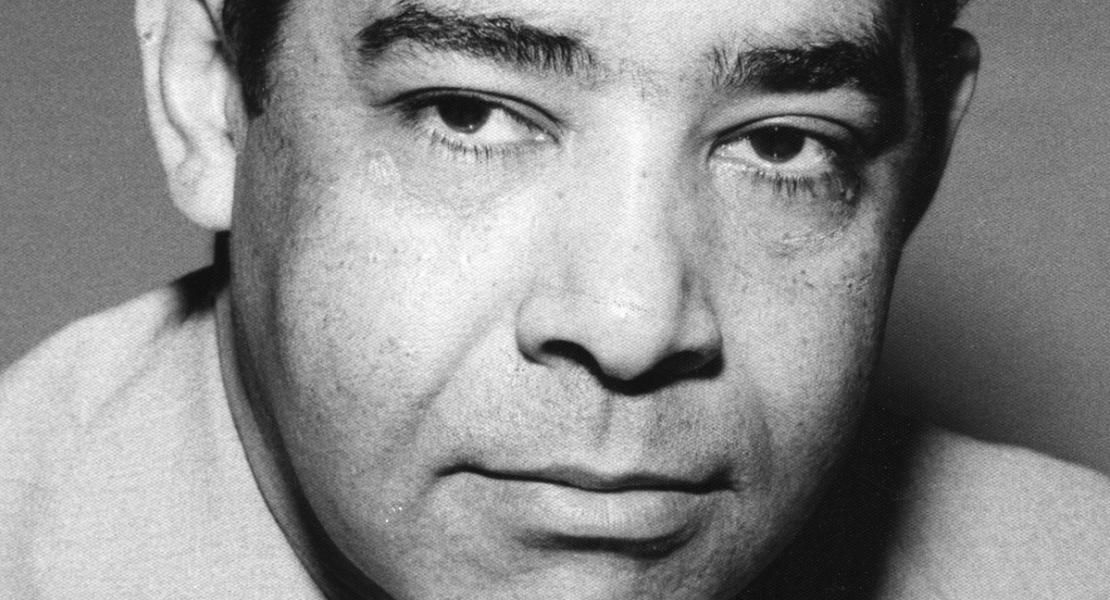
Day 13: Ernest Calloway
Ernest Calloway's career showed how labor journalism could serve as both a tool for organizing and a means of documenting workers' struggles. Through his work with the Teamsters and his founding of the St. Louis Citizens newspaper, he demonstrated that the fight for labor rights required both direct organizing and broader public education about workers' struggles.
Ernest "Cab" Calloway, born on January 1, 1909, in Heberton, West Virginia, was a transformative figure in American labor organizing, civil rights activism, and labor journalism. His multifaceted career demonstrated the power of combining direct organizing with strategic journalism to advance both workers' rights and racial justice.
Calloway was born to a coal mining father, who served as the first secretary of the United Mine Workers in his area, so, in a sense, he was born into this work. His father's ability to mediate among local mountain people, the Black community, and various ethnic groups of miners provided an early model for Calloway's later work in building interracial labor solidarity.
After working as a miner himself at age 17, Calloway began to write. His first published piece appeared in 1933 in Opportunity magazine, examining the challenges faced by Black miners in Appalachia. This early work established a pattern he would follow throughout his career: using journalism to illuminate workplace conditions while simultaneously organizing for change.
By the 1940s, Calloway had turned his attention to the deeply segregated trucking industry in St. Louis. He recognized that Black drivers were systematically relegated to the lowest-paying routes and excluded from major trucking unions. He developed what he called a "two-pronged" approach to his work – movement journalism straight from the source. "The pen and the picket line must work together," he’d say, emphasizing the need to combine public education through journalism with direct organizing action.
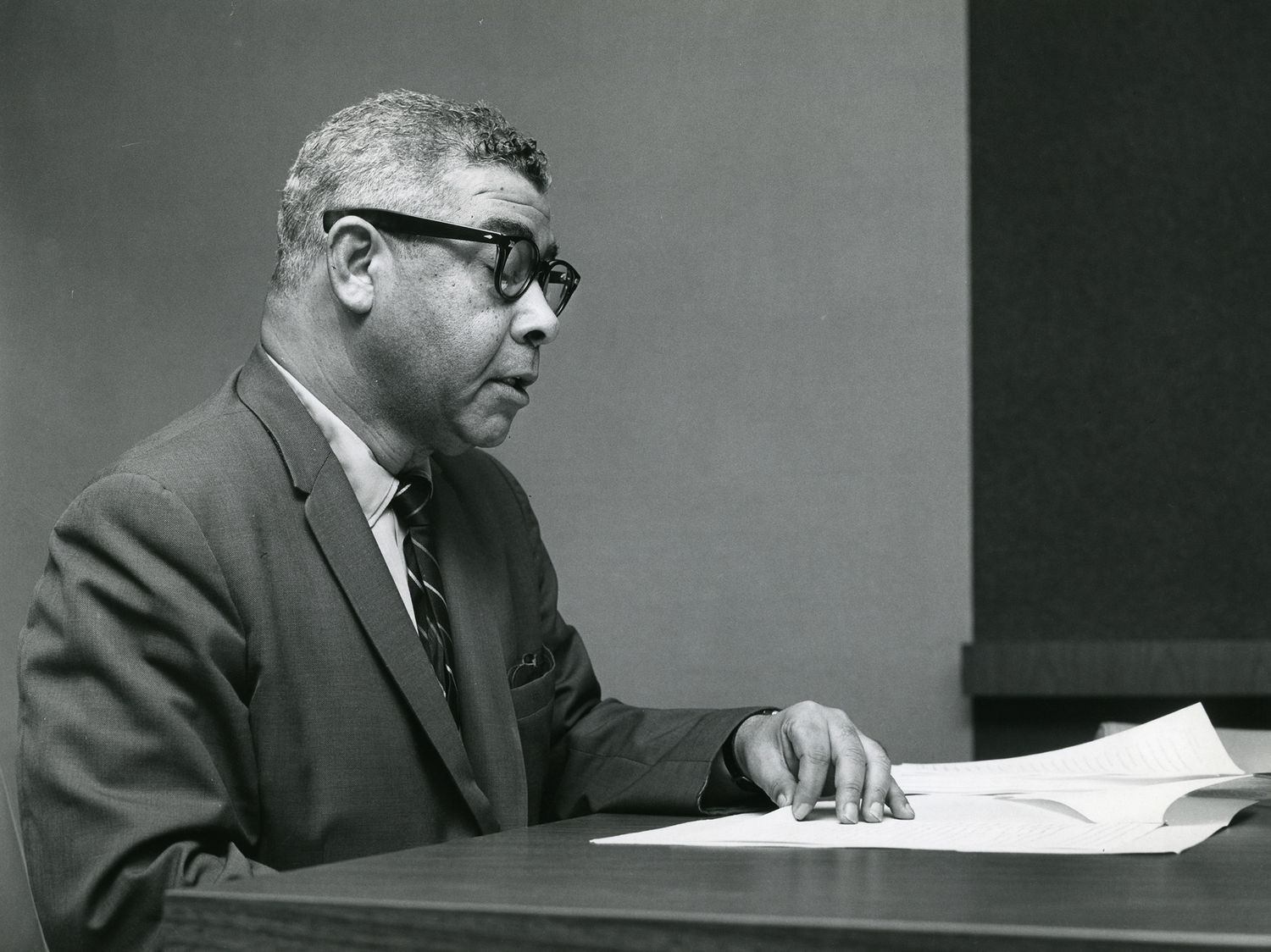
A black and white photograph of Calloway announcing his candidacy for Missouri's First Congressional District in 1968. Photo Source: State Historical Society of Missouri, Ernest Calloway Papers
In 1941, Calloway helped launch a campaign to integrate the Teamsters locals in St. Louis. His approach was strategic and comprehensive: while organizing on the ground, he simultaneously published detailed accounts of workplace discrimination alongside stories of successful interracial labor cooperation. These carefully crafted narratives helped white workers understand that integration would strengthen rather than weaken their collective bargaining power.
As editor of the St. Louis Citizens newspaper, Calloway created a vital platform for labor issues affecting Black workers across all industries. His paper became known for its thorough investigations of workplace conditions and organizing efforts, focusing not just on problems but on solutions and successful organizing campaigns.
Calloway's effectiveness stemmed from his sophisticated understanding of when to publish exposés of workplace abuses and when to work quietly behind the scenes to build worker solidarity. In 1950, he became research director for the Teamsters in St. Louis, which he described as "one of America's most socially exciting local unions."
His influence extended far beyond the trucking industry. In 1955, Calloway was elected president of the St. Louis branch of the NAACP, where he focused on expanding employment opportunities for Black workers. Under his leadership, the organization conducted pivotal picketing and boycott campaigns against major local businesses, including Famous-Barr department stores and utility companies.
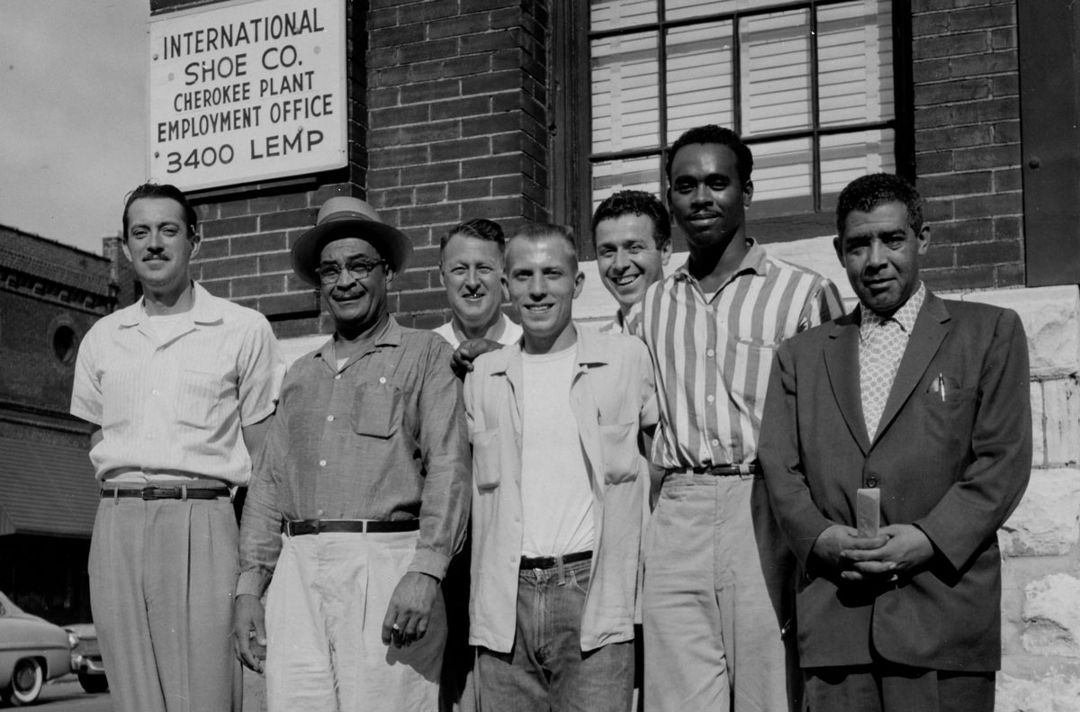
Ernest Calloway (at right) with the rank-and-file organizing committee of the International Shoe Company outside the Cherokee Plant at 3400 Lemp Avenue in St. Louis. Photo Source: State Historical Society of Missouri, Ernest Calloway Papers
Calloway's impact on civil rights and labor extended into electoral politics. He managed the successful campaigns of Rev. John J. Hicks, who became the first Black member of the St. Louis Board of Education, and T. D. McNeal, Missouri's first Black state senator. In 1962, he helped lead the struggle for the public accommodations bill that ended segregation in St. Louis.
After retiring from the Teamsters in 1973, Calloway dedicated himself to teaching at Saint Louis University, where he served as an associate professor until 1977. His legacy continues through the St. Louis Chapter of Black Trade Unionists' Ernest and DeVerne Calloway Award and the Ernest A. Calloway Jr. African American Scholarship Fund at Saint Louis University.
Throughout his career, Calloway demonstrated that effective social change required both public education and direct action. His work as both a journalist and organizer helped break down racial barriers in the trucking industry while creating lasting channels for Black workers' voices to be heard. When he passed away on December 31, 1989, he left behind a legacy of combining strategic organizing with powerful journalism to advance both labor rights and racial justice.
Reflection Questions
Consider how Calloway used journalism to support organizing. How can today's labor movement better use media to advance workers' rights?
Calloway believed that documenting workers' struggles was as important as organizing them. How does preserving labor history help current movements for justice?
Learn More
Visit the Western Historical Manuscript Collection at the University of Missouri-St. Louis to explore Calloway's papers and journalism.Research the history of Black truckers' organizing through the Teamsters archives.Study the complete run of the St. Louis Citizens newspaper at the St. Louis Public Library.
Never miss a story
Get stories of overlooked and untold Black history in your inbox, free every week.