Hattie Canty
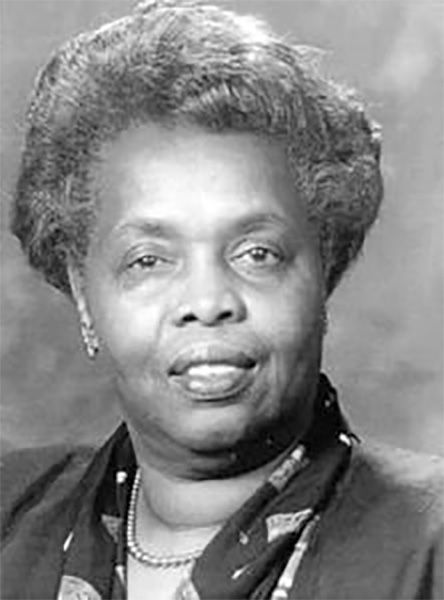
Day 22: Hattie Canty
Hattie Canty rose from a room attendant to become the first Black woman president of the Culinary Workers Union in Las Vegas, where she led a historic strike while connecting civil rights with labor justice and helping workers of color advance in the hospitality industry.
In 1961, Hattie Canty left Alabama for California with her husband and young children, seeking opportunities beyond the cotton fields. Like many Black women of her era, she found work as a domestic worker. After her husband died of lung cancer in 1975, she moved to Las Vegas with her eight children, hoping to find better-paying work in the growing casino industry.
Las Vegas in the 1970s was still deeply segregated. Black workers were largely confined to back-of-house positions – cleaning rooms, washing dishes, and working in laundries. But unlike many other cities, Las Vegas had a strong union presence in its hospitality industry. Canty found work as a hotel maid and joined the Culinary Workers Union Local 226.
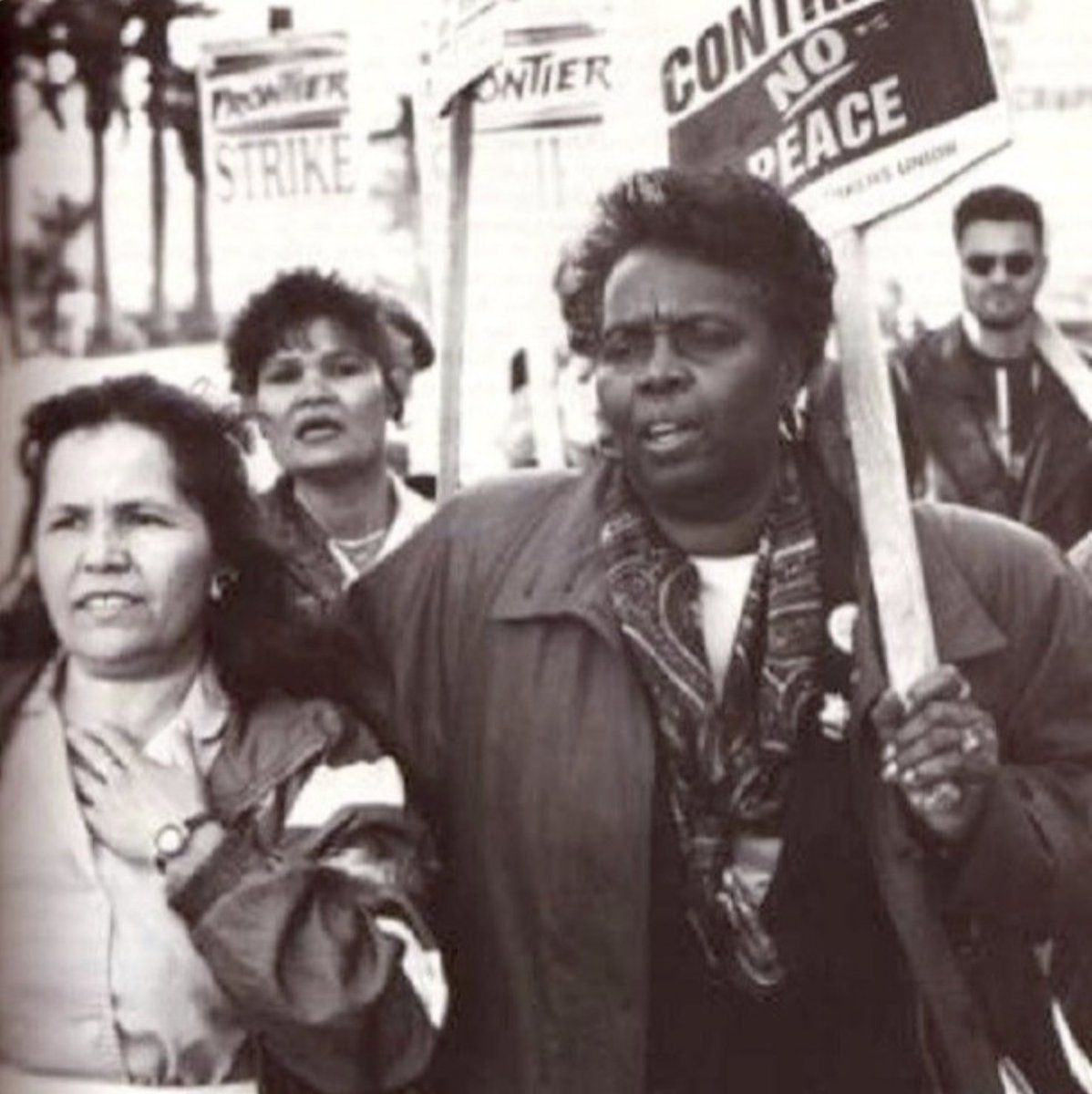
A black and white photograph of Canty, right, holding a strike sign and demonstrating, her arm around another woman, surrounded by other strikers. Photo Source: UAW
But she wasn't content just to benefit from the union – she wanted to make it stronger. She began attending every union meeting, learning about labor law and organizing tactics. She worked her way up through union ranks, serving as a shop steward and grievance handler. Fellow workers trusted her because she understood their struggles firsthand. She had raised eight children on a housekeeper's wages – and, after her husband passed away in 1975, she had to raise them on her own. She knew what it meant to worry about medical bills and school supplies, and the struggles of finding childcare, relating directly to the worries of most members.
In 1990, Canty was elected president of Local 226, the largest union in Las Vegas, representing over 40,000 hotel and casino workers. She was the union’s first Black president, and one of the few Black women to lead a major union local in America. Under her leadership, the union became known for its militant organizing and successful strikes. Once, she led a 75-day walkout against Las Vegas casinos that ultimately won better health insurance benefits for culinary workers.
"
I would picket every day. That's where I would go and my baby would go with me because he was five years old. We would go up there and we'd spend all our time there.
Hattie Canty in this audio interview
Her greatest test came in 1991 when contract negotiations broke down with the Frontier Hotel and Casino. The owners wanted to cut wages, eliminate pensions, and reduce health benefits. Canty led 550 workers out on strike. Every day, workers walked the picket line in the desert heat. Canty was there with them, often bringing her children and grandchildren. Not a single worker crossed the picket line.
The strike became a symbol of worker resistance. Labor unions across the country sent support. Civil rights leaders joined the picket line. In 1998, after six years, four months, and ten days – the longest successful hotel strike in American history – the Frontier's new owners settled. Workers returned with increased wages, preserved benefits, and their union intact. Here’s a (paywalled) article from 1998 outlining its impact.
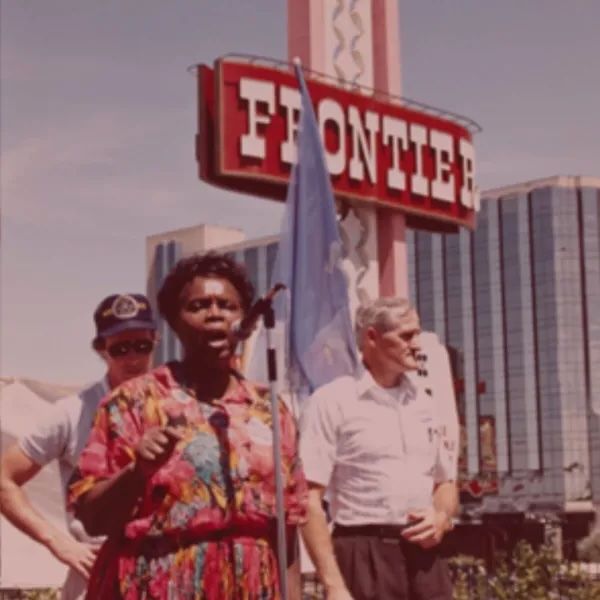
A color photograph of Canty, center, wearing a floral and collared dress, speaking into a microphone on a stage flanked by two men, outside a sign for the Frontier Hotel and Casino. Photo Source: CWA
Canty's leadership style combined unshakeable determination with strategic thinking. She built coalitions with civil rights organizations, religious groups, and other unions. She understood that labor rights and civil rights were interconnected. Under her leadership, Local 226 became one of the most diverse unions in America, with large numbers of women, immigrants, and people of color in leadership positions.
She was particularly proud of the union's role in providing economic opportunities for Black workers. "The union has meant that a maid or a porter can buy a home, send their children to college," she said. "That's what the movement is all about – changing people's lives."
When Canty died in 2012, she left behind a transformed Las Vegas. Thanks in part to her leadership, hotel and casino jobs had become middle-class jobs with dignity, benefits, and opportunities for advancement. But what happened in Vegas didn’t stay there; Canty’s efforts galvanized hospitality unions across the country, and set a new standard for the workforce.
Anytime I fight for anything in this labor movement, it benefits me in the civil rights movement.
Hattie Canty
Reflection Questions
Canty turned what many considered "just a job" into a career and a movement. How can you help transform jobs in your community into careers with dignity and opportunities for advancement?The Frontier strike succeeded because workers stayed united despite tremendous pressure. What can we learn from this solidarity about building successful movements today?
Learn More
Listen to this short excerpt of an audio interview with Canty about how she organized.Watch One Day Longer: The Story of the Frontier Strike, a free documentary about the strike.Listen to this short podcast on Hattie Canty from the Resolved Labor Podcast.
Never miss a story
Get stories of overlooked and untold Black history in your inbox, free every week.