Lucy Parsons
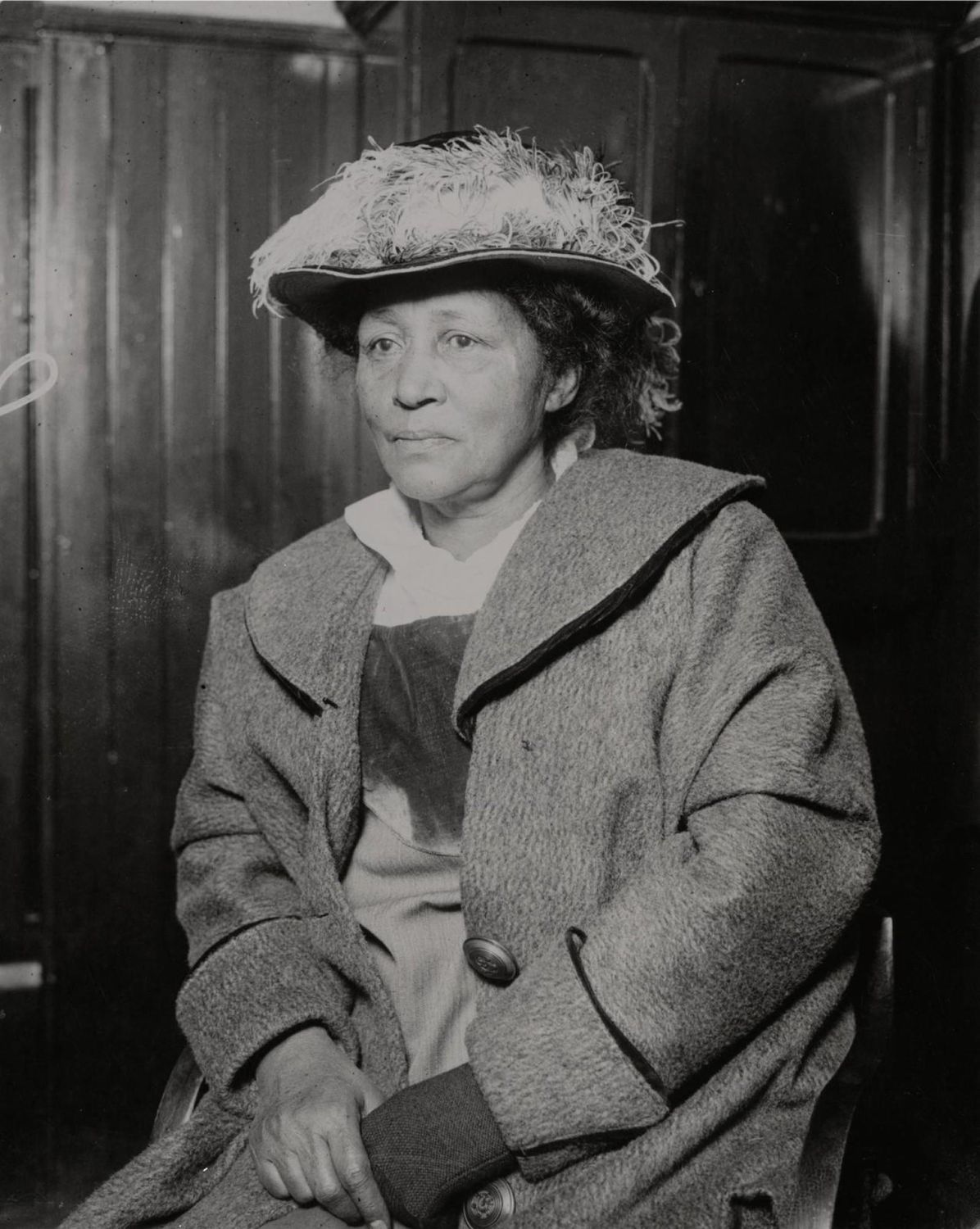
Day 23: Lucy Parsons
Lucy Parsons is one of America's most influential labor organizers through her work founding the Chicago Working Women's Union, helping establish the Industrial Workers of the World, and editing radical newspapers like The Liberator and The Alarm.
Born in Texas around 1851, likely enslaved, Lucy Parsons's early life is shrouded in mystery, partly due to her own efforts to obscure her racial background in an era of intense discrimination. She would identify herself as Mexican and Indigenous American, though historical evidence suggests she was African American. This complexity of identity speaks to the difficult choices Black Americans faced in the post-Reconstruction era.
In 1871, she married Albert Parsons, a white former Confederate soldier turned radical Republican (remember, at this point in history, the Republican party was more akin to the Democratic party today). Their interracial marriage forced them to flee Texas for Chicago, where they immersed themselves in the growing labor movement. Chicago in the 1870s was a center of labor unrest, as workers fought against dangerous conditions, long hours, and poverty wages.
"Never be deceived that the rich will permit you to vote away their wealth," Lucy would write. (This statement can just as easily be applied to the 2024 election). She became known for her fiery speeches and radical writings, advocating for anarchism, labor rights, and the overthrow of capitalism. She saw that the system wasn't broken – it was functioning exactly as designed to exploit workers.
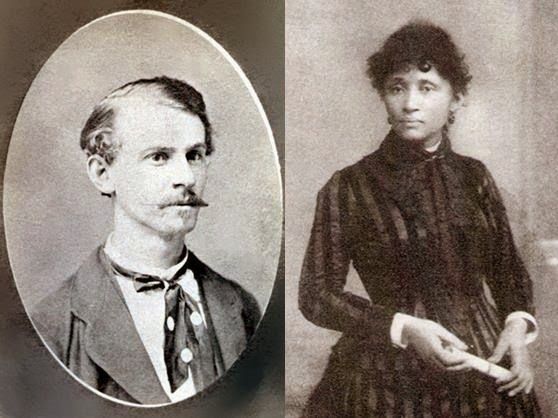
Two black and white photos, one of Albert Parsons on the left and Lucy Parsons on the right. Photo Source: Commander’s Herald.
The defining moment of her early activism came in 1886 at Chicago's Haymarket Square. Workers had gathered to protest police violence against strikers at the McCormick Reaper Works. When police moved to break up the peaceful gathering, someone threw a bomb. In the ensuing chaos, seven police officers and at least four workers died.
The aftermath brought a crackdown on labor organizers. Albert Parsons and seven other anarchist leaders were arrested, despite no evidence connecting them to the bombing. Lucy fought tirelessly for their freedom, traveling the country speaking and raising funds for their defense. Despite international protests, Albert and three others were executed in November 1887.
Rather than silencing her, her husband's execution fueled Lucy's activism. "My husband was murdered by the state of Illinois," she would say at speaking engagements. She understood that the execution was meant to intimidate labor organizers, and she refused to be intimidated.
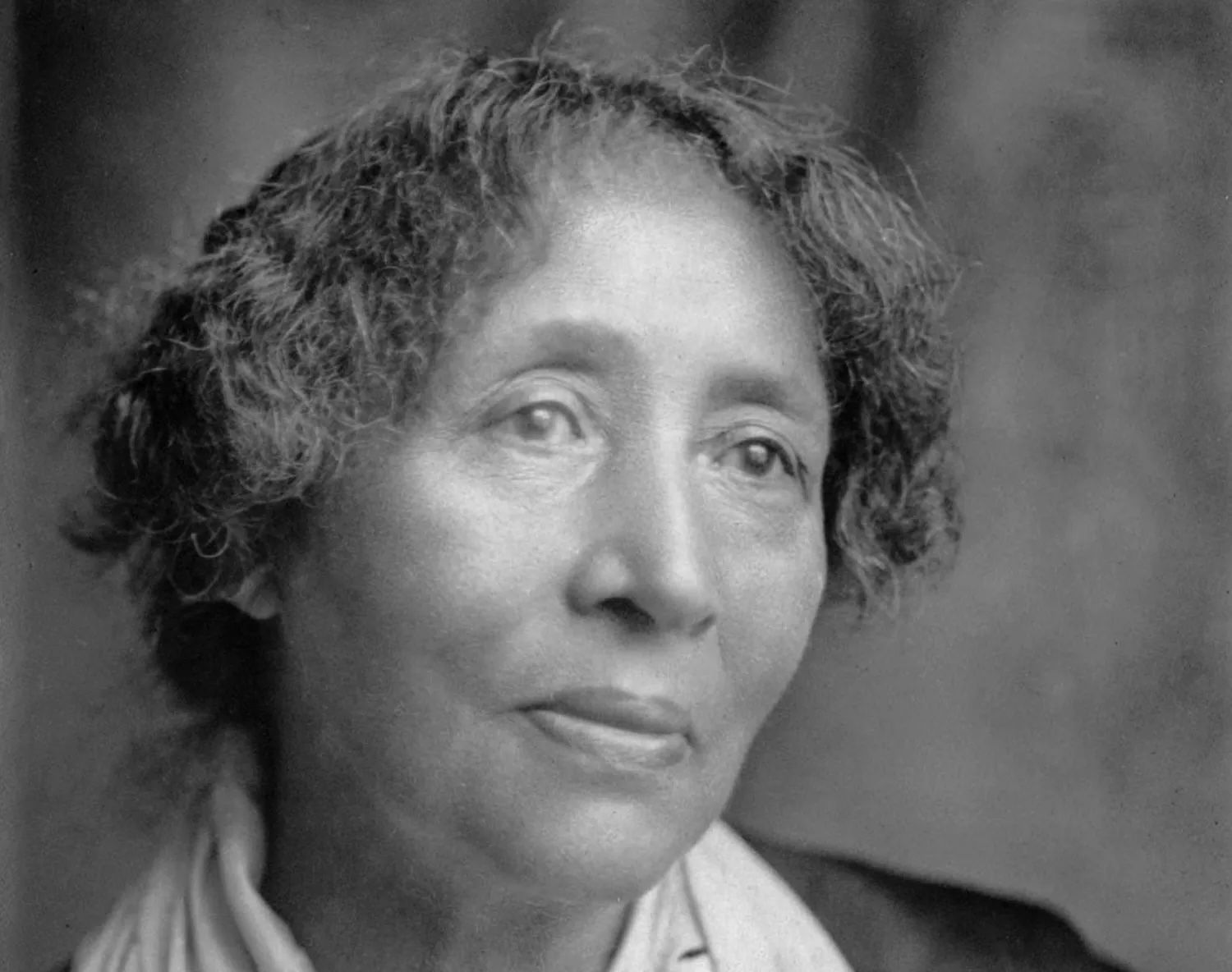
A black and white photograph of Parsons, later in life, looking wistfully away from the camera. Photo Source: Black America Web
In 1905, she helped found the Industrial Workers of the World (IWW). The IWW was revolutionary for its time, organizing all workers regardless of race, gender, or skill level into "One Big Union." She was only one of two women at the founding convention, Parsons spoke about the needs of women workers and the importance of direct action.
The Chicago Police Department called her "more dangerous than a thousand rioters." This was, in part, because she understood how to use the power of the written word. She was often only seen as classy, demure woman,so her unflinching statements about race, capitalism and state-sanctioned violence were both unexpected and extremely compelling. She published the newspaper Freedom, wrote for numerous radical publications, and authored the influential book "Life of Albert Parsons." Her words reached workers across the country, inspiring them to organize.
Parsons remained active until her death in 1942 at age 91. In her final years, she worked with the Communist Party's International Labor Defense, fighting against the execution of the Scottsboro Boys and other cases of racial injustice. When she died in a house fire, police seized her library of 1,500 books and documents on labor and radical history. Although sometimes criticized for hiding her racial identity and aligning herself with white-drivencauses, it’sclear that Parsonsusedhervoiceandcarved her own path to create change for all.
Reflection Questions
Lucy Parsons began her labor activism after witnessing the violent suppression of the 1877 Chicago railroad strike. How did her experiences during this period influence her later approaches to labor organizing ?
Throughout her career, Parsons faced constant police interference with her public speaking, particularly in Chicago, yet continued to find ways to spread her message through newspapers, lectures, and organizing. What can today's activists learn from her methods of adapting to repression?
Learn More
Listen to The Life and Times of Lucy Parsons, American Radical.Read "Goddess of Anarchy: The Life and Times of Lucy Parsons, American Radical" by Jacqueline JonesWatch this short video on The Haymarket Square RiotLearn more about Albert Parsons, Lucy’s husband
Never miss a story
Get stories of overlooked and untold Black history in your inbox, free every week.