Isaac Myers
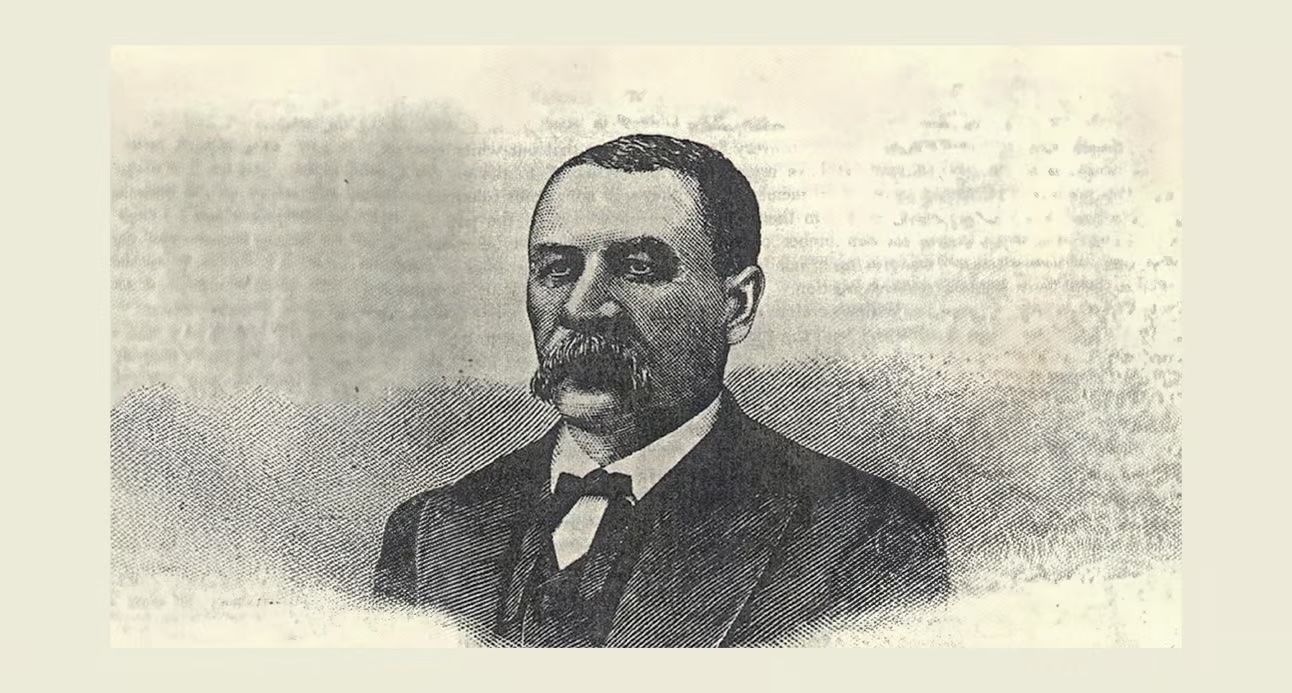
Day 2: Isaac Myers
Isaac Myers became a crucial figure in early Black labor organizing. When white workers forced Black caulkers out of Baltimore's shipyards in 1865, Myers led the creation of the Colored Caulkers Trade Union Society and established a Black-owned shipyard. His work laid the foundation for Black economic cooperation and labor organizing in the Reconstruction era.
In 1865, as the Civil War ended, Baltimore's Black shipyard workers faced a crisis. White caulkers, who made ships watertight by filling seams with oakum and pitch, demanded that shipyard owners fire all Black workers. The owners complied, leaving 1,000 skilled Black caulkers and their families without income. This kind of racial economic violence was common in the aftermath of emancipation, as white workers sought to eliminate Black competition.
But they hadn't counted on Isaac Myers. Born free in 1835, Myers had learned ship caulking as a young man while working in Baltimore's shipyards. He understood that economic independence was crucial to genuine freedom. When the Black caulkers were forced out of work, Myers didn't just protest – he organized.
Myers gathered a group of Black community leaders and proposed an audacious plan: they would start their own shipyard. He convinced 15 prominent Black businessmen to invest their savings. Black churches helped raise funds. The workers themselves contributed what they could. Together, they raised $10,000 (equivalent to over $170,000 today).
In November 1866, the Chesapeake Marine Railway and Dry Dock Company opened in Baltimore's Fell's Point neighborhood. It was one of the first Black-owned shipyards in America. Myers served as president and manager. The shipyard employed over 300 Black workers and quickly gained a reputation for excellent work. Ships lined up for repairs, and the venture turned a profit in its first year.
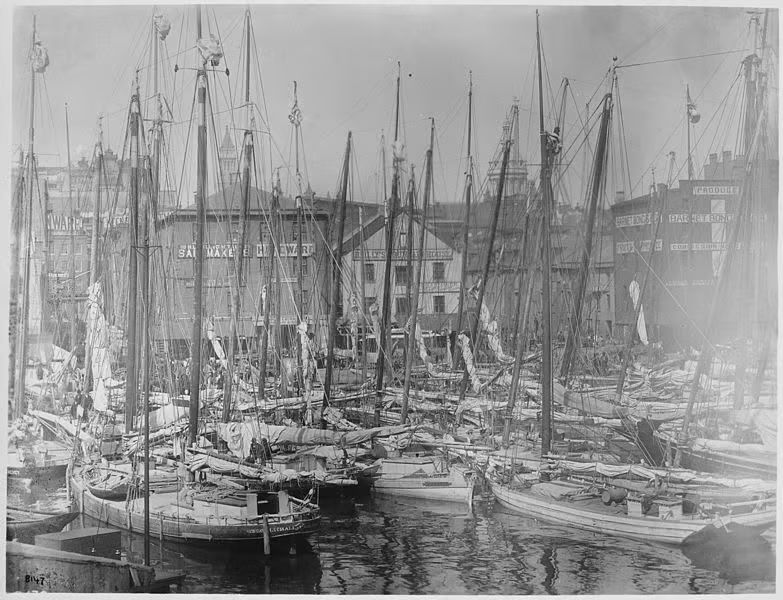
Historic harbor scene shows densely packed sailboats and fishing vessels with tall masts creating a forest-like pattern. Waterfront buildings line the background of this busy maritime port from the late 19th/early 20th century.
The shipyard's success demonstrated what Myers had long argued – that Black workers could compete successfully if given the opportunity. It became a model of Black economic cooperation and self-help. But Myers knew that owning one shipyard wasn't enough. Black workers needed to organize nationally to protect their interests.
In 1869, Myers helped organize the Colored National Labor Union (CNLU), the first national Black labor organization in America. While the National Labor Union claimed to represent all workers, it excluded Black members in most states. Myers and other Black leaders realized they needed their own organization to fight for Black workers' rights.
“The day has passed for the White American to contend that the colored American cannot be taught... all we ask is a fair chance.
Isaac Myers
At the CNLU's founding convention in Washington, D.C., Myers was elected president. He declared, "The day has passed for the White American to contend that the colored American cannot be taught... all we ask is a fair chance." The CNLU advocated for Black workers' rights, equal pay, access to apprenticeships, and the right to join existing labor unions.
Myers worked tirelessly to build coalitions between Black and white workers, arguing that racism hurt all workers by driving down wages. He testified before Congress about the importance of protecting Black labor rights. When Frederick Douglass attended the CNLU's second convention, he praised Myers's leadership, saying he had "done more for the colored working men of Maryland than any other man."
Though the CNLU disbanded in 1871 amid financial difficulties, Myers continued organizing. He helped establish cooperative businesses, savings banks, and trade schools for Black workers. When he died in 1891, he was remembered as a pioneering figure who showed how Black Americans could build economic power through cooperation and organization.
Myers's legacy lives on in every Black-owned business and every Black worker organizing for better conditions. He understood that economic rights were inseparable from civil rights, and that Black Americans needed both to achieve true freedom. His story reminds us that the struggle for economic justice has always been central to the fight for racial equality.
Reflection Questions
Myers responded to discrimination by building Black-owned alternatives and organizing workers. How can communities today use similar strategies of economic cooperation and organization to address racial inequality?
Consider the relationship between racial and economic justice in your own community. What barriers still exist to Black economic advancement, and how can you help break them down?
Learn More
Visit the Frederick Douglass-Isaac Myers Maritime Park in Baltimore, which preserves the site of Myers's historic shipyard and tells the story of Black maritime workers.Read "The Black Worker: Race, Labor, and Civil Rights Since Emancipation" by Eric Arnesen to understand the broader context of Black labor organizing.Study the work of today's Black labor organizations like the Coalition of Black Trade Unionists and the A. Philip Randolph Institute, which continue Myers's legacy.Watch "The Black Labor Movement: A Legacy of Support," a documentary about the history of Black labor organizing in America.Research contemporary Black cooperative economic movements, which build on Myers's model of community-based economic empowerment.
Never miss a story
Get stories of overlooked and untold Black history in your inbox, free every week.