Marvel Cooke
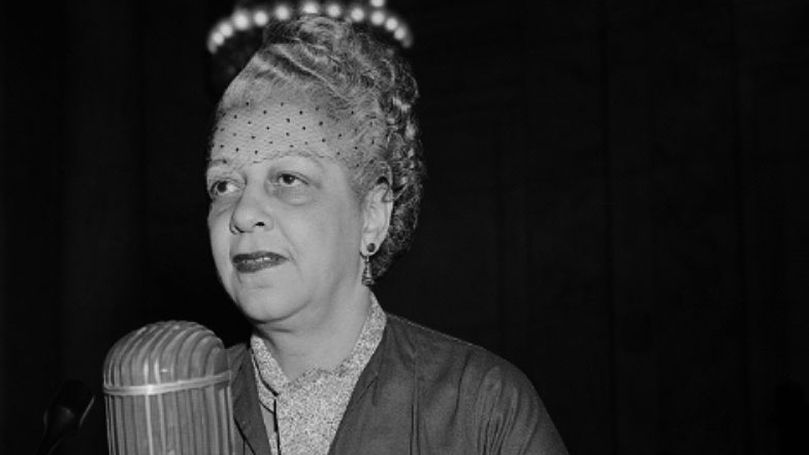
Day 11: Marvel Cooke
Marvel Cooke's groundbreaking career as both a journalist and labor organizer illuminated the intersection of racial, gender, and economic justice. Through her investigative reporting on the "paper bag brigade" and her organizing work with domestic workers, she exposed how Black women faced unique forms of workplace exploitation while helping build movements for change.
When Marvel Cooke walked into the offices of The Daily Compass in 1950 to investigate domestic worker exploitation, she wasn't just reporting a story – she was living it. Cooke went undercover as a domestic worker, standing on street corners in the bitter cold with other Black women, waiting to be hired for a day's work. These women became known as the "paper bag brigade" because they carried their work clothes in paper bags while waiting for employers.
Cooke's journey to this moment began decades earlier. Born to a radical family in Minnesota, she became the first African American woman to work full-time at a white-owned newspaper when she joined The Daily Compass. But her most influential work came from combining journalism with activism, particularly in exposing the exploitation of domestic workers.
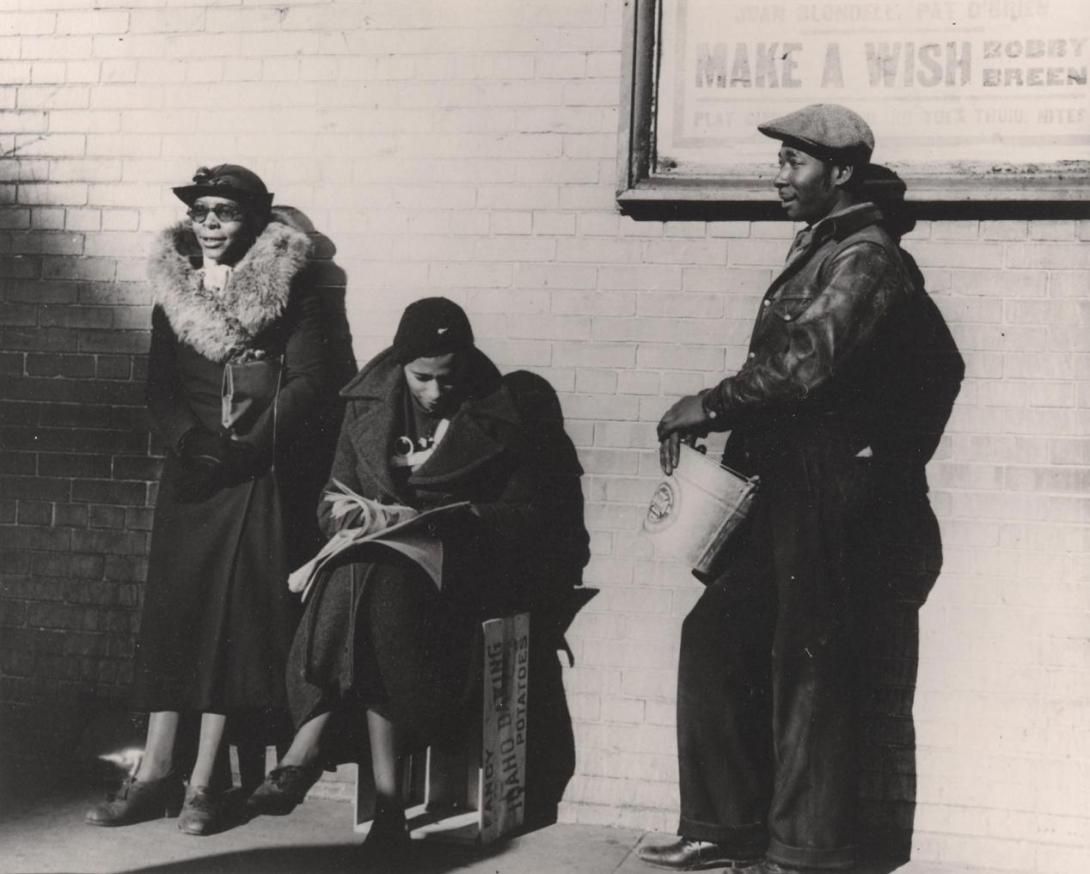
A black and white photograph of three Black unemployed domestic workers seeking employment on the streets of the Bronx, depicting what was referred to as The Bronx Slave Market, taken by Robert McNeill in 1937.
Photo Source: libcom.org
Her five-part series, co-written with famous civil rights leader Ella Baker, was entitled "I Was Part of the Bronx Slave Market" – and it shook New York society. Cooke described how Black women domestic workers were forced to stand on street corners in all weather, hoping to be hired for as little as fifteen cents an hour. "We were desperate women, standing in the rain and cold, offering ourselves to work like beasts of burden," she wrote.
The series highlighted not just individual stories but systemic issues. Cooke showed how the lack of labor protections for domestic workers – mostly Black women – created conditions ripe for exploitation. She connected this to broader patterns of racial and gender discrimination in American labor markets.
“
I was interested in the conditions under which people had to work and live…I think some editors had problems with me reporting things as I saw them.
Marvel Cooke
Beyond reporting, Cooke was actively involved in organizing domestic workers. She helped establish the Domestic Workers Union and worked with the National Council of Negro Women to advocate for better working conditions. Her efforts contributed to the establishment of the first domestic workers' minimum wage law in New York.
Cooke's commitment to justice extended beyond labor issues. She was a member of the Communist Party USA during the 1930s and '40s, seeing economic justice as inseparable from racial liberation. This political affiliation would later lead to FBI surveillance and professional challenges, but she remained committed to radical change.
Her work inspired future generations of investigative journalists and labor organizers. She showed how careful reporting could expose injustice while also demonstrating the importance of organizing for systemic change.
Reflection Questions
Cooke used undercover journalism to expose workplace exploitation. How can today's journalists and activists make hidden forms of labor exploitation visible?
Consider how race, gender, and class intersected in the exploitation of domestic workers. How do these intersections continue to shape workplace inequality today?
Learn More
Watch this fantastic interview with Marvel Cooke as part of PBS’ “American Masters” series.Read "The Life and Times of Marvel Cooke" at the Women's Press Club of New York State archives.Study the original "I Was Part of the Bronx Slave Market" series through the archives.Research current domestic workers' rights organizations like the National Domestic Workers Alliance that continue Cooke's legacy.Visit the Schomburg Center for Research in Black Culture to explore their collection on Black women journalists and activists.Read "Household Workers Unite" by Premilla Nadasen to understand the broader history of domestic worker organizing.
Never miss a story
Get stories of overlooked and untold Black history in your inbox, free every week.