Robert Lee Vann
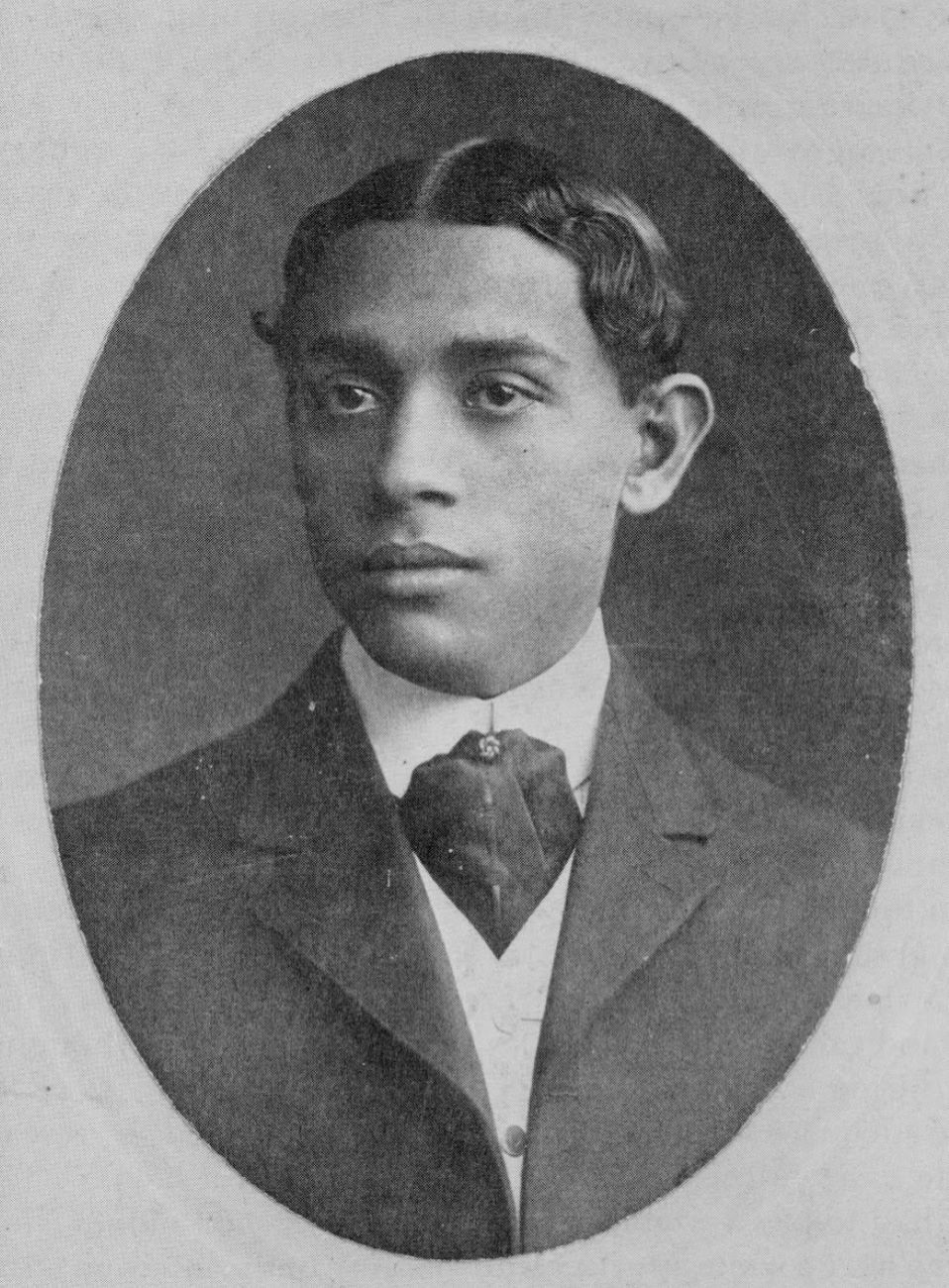
Day 19: Robert Lee Vann
Robert Lee Vann's leadership of the Pittsburgh Courier from 1910 to 1940 demonstrated the crucial role of the Black press in advancing both labor rights and racial justice. Through the Courier's fearless reporting and advocacy, Vann helped expose discriminatory practices in steel unions while promoting economic opportunities for Black workers during the Great Migration and Great Depression.
When Robert L. Vann became editor of the Pittsburgh Courier in 1910, the newspaper was a small weekly publication. Under his guidance, it would become one of the most influential Black newspapers in America, with a particular focus on the struggles of Black industrial workers in the Steel City.
Pittsburgh's steel mills were both a source of opportunity and exploitation for Black workers. While the mills offered jobs to Southern Black migrants fleeing Jim Crow, these workers faced dangerous conditions, lower wages than white counterparts, and exclusion from most labor unions. Through the Courier's pages, Vann documented these injustices while advocating for change.
"The color line in steel is not just a moral wrong – it is an economic disaster for all workers," Vann wrote in a 1918 editorial. Racial discrimination in unions weakened the entire labor movement, because Black workers, with no protection from unions that excluded them, would be forced to keep working during a strike or risk losing their job. Seen as “strikebreakers,” their presence discouraged leadership to listen to the unions, and perpetuated poor working conditions for everyone.
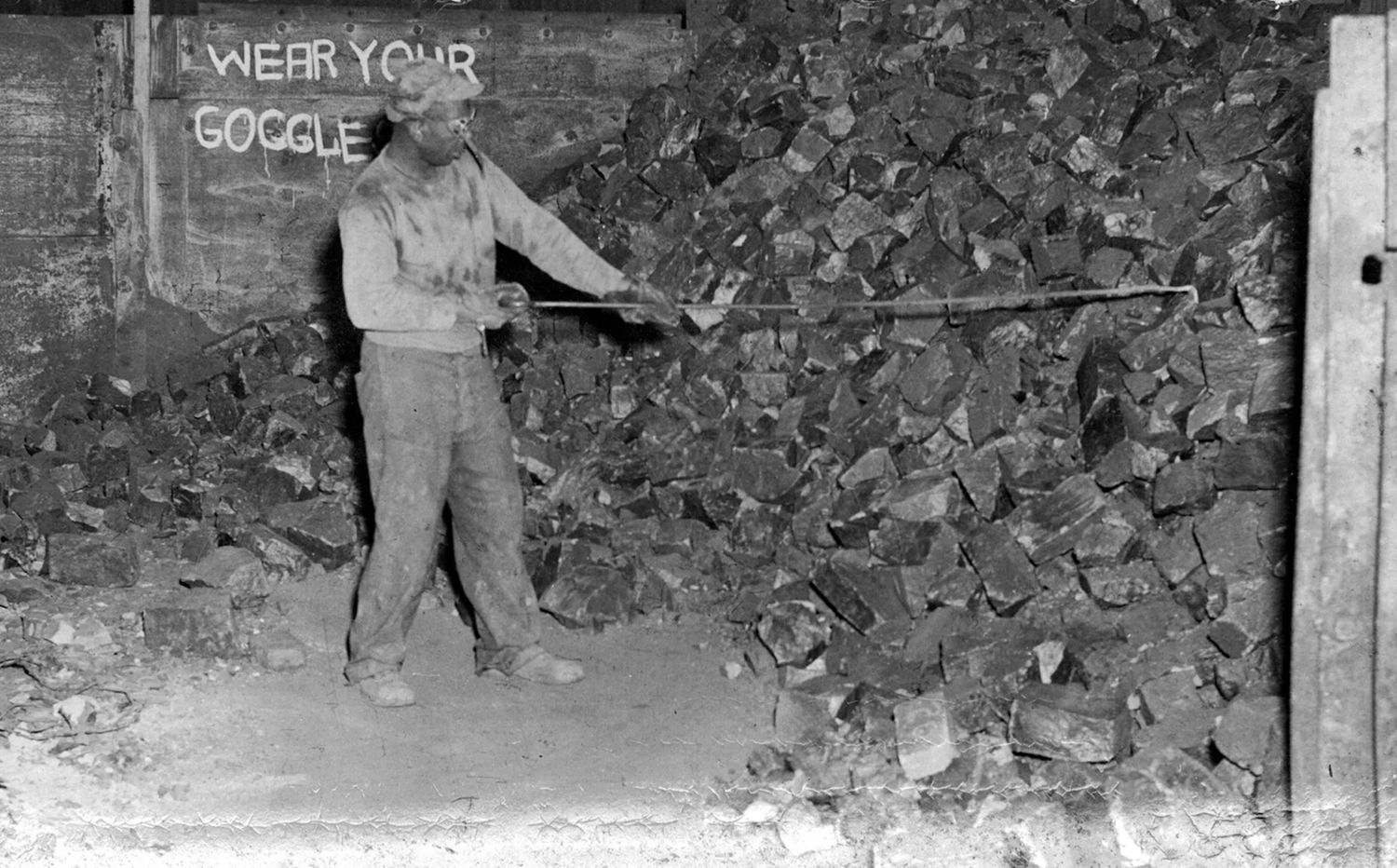
A black and white photograph of a Black steel worker at a Pittsburgh mill. Photo Source: Rivers of Steel Archives
The Courier's coverage of the 1919 steel strike was groundbreaking. While other newspapers simply reported racial tensions, Vann's paper explored the complex dynamics that led many Black workers to cross picket lines, including their systematic exclusion from unions. He criticized union leaders for their discrimination while also urging Black workers to support labor causes that welcomed their participation.
Under Vann's leadership, the Courier launched investigations into workplace safety violations, wage theft, and discriminatory hiring practices. The paper's circulation grew from a few hundred to over 250,000, becoming a crucial source of information for Black industrial workers across the country.
Vann used this platform to promote what he called "industrial democracy" – the idea that true workplace justice required both labor rights and racial equality. He supported progressive unions that practiced integration while criticizing those that maintained color barriers. His advocacy helped push the steel industry's unions toward greater inclusion, though progress remained slow.
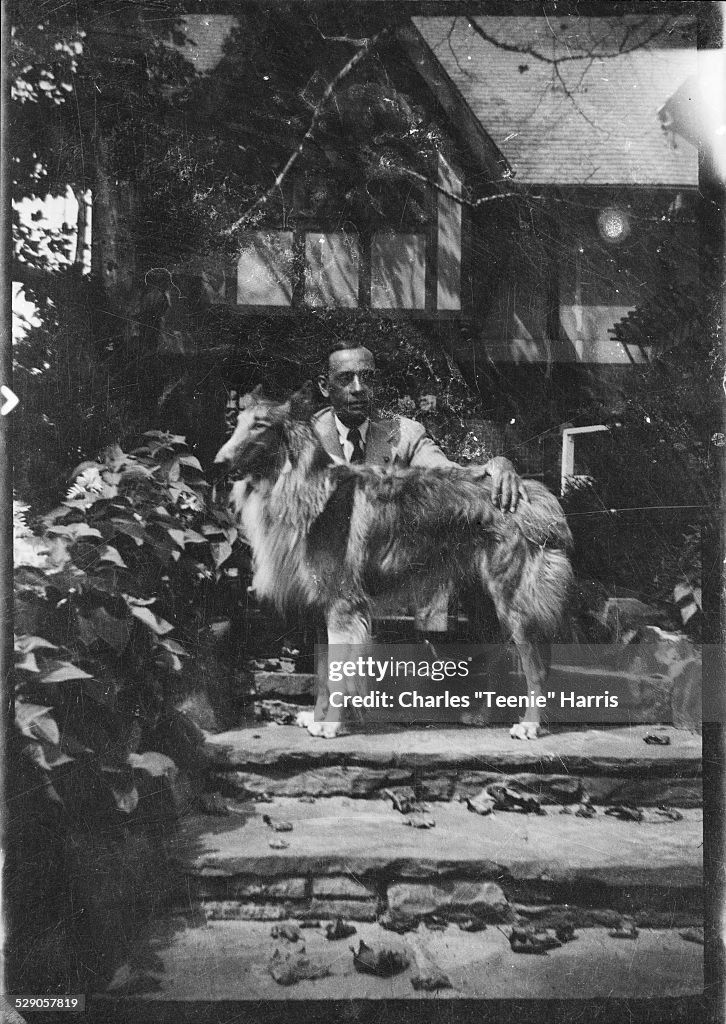
A black and white photograph of Vann, pictured with his dog, on the steps of his home in the 1930s. Photo Source: Charles “Teenie” Harris, Getty Images
The Great Depression brought new challenges, but Vann maintained his commitment to both racial and economic justice. The Courier provided extensive coverage of unemployment's impact on Black communities while advocating for equal access to New Deal programs and union jobs. He was also hotly politically motivated, demanding the Republican party to do better for Black communities instead of merely resting its laurels on the work of former President Lincoln.
By the time of Vann's death in 1940, the Pittsburgh Courier had helped reshape the conversation about race and labor in America's industrial heartland. His legacy showed how journalism could serve as a powerful tool for advancing both workers' rights and racial equality.
Reflection Questions
Consider how Vann used journalism to advance both labor rights and racial justice. What role can media play today in addressing workplace discrimination and promoting economic equity?
Vann criticized both discriminatory unions and workers who crossed picket lines. How can today's labor movement build genuine solidarity across racial lines?
Learn More
Visit the Heinz History Center in Pittsburgh to explore their archives on the city's Black press and labor history.Research the Pittsburgh Courier's digital archives through the Carnegie Library of Pittsburgh to read Vann's original editorials.Study the history of Black labor journalism through archives at the Schomburg Center for Research in Black Culture.Read Robert L. Vann of the Pittsburgh Courier: Politics and Black Journalism by Andrew Bun.
Never miss a story
Get stories of overlooked and untold Black history in your inbox, free every week.