Rosina Tucker
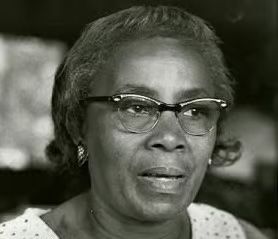
Day 6: Rosina Corrothers Tucker
Rosina Corrothers Tucker
Rosina Corrothers Tucker's work in organizing the Ladies' Auxiliary to the Brotherhood of Sleeping Car Porters highlights how women's labor activism extended beyond the workplace into communities and families. Through her efforts, she showed that successful labor movements required strong support networks and that women's organizing was crucial to union success.
When Rosina Corrothers Tucker began organizing Pullman porters' wives in the 1920s, she understood something fundamental about labor movements: a union's strength didn't just come from its workers but from the entire community that supported them. As the wife of a Pullman porter herself, she knew firsthand the challenges these families faced. The Pullman porters – all Black men – spent long periods away from home, facing discrimination and degrading treatment while serving white passengers on railroad cars. Their wives managed households on irregular incomes, often working themselves to make ends meet.
Tucker recognized that these women weren't just supporting their husbands; they were crucial to the union's survival. In 1925, she helped found the Ladies' Auxiliary to the Brotherhood of Sleeping Car Porters, transforming what could have been a simple social club into a powerful organizing force. The organization did far more than traditional auxiliary work. Under her leadership, wives became organizers themselves, collecting union dues while porters were on runs, passing information between workers, and creating mutual aid networks to support families during strikes and hardships.
She developed innovative organizing strategies, using social gatherings and church meetings as covers for union activities to avoid company spies. The auxiliary members provided food, clothing, and childcare for families in need, creating solidarity networks that sustained the union through difficult times.
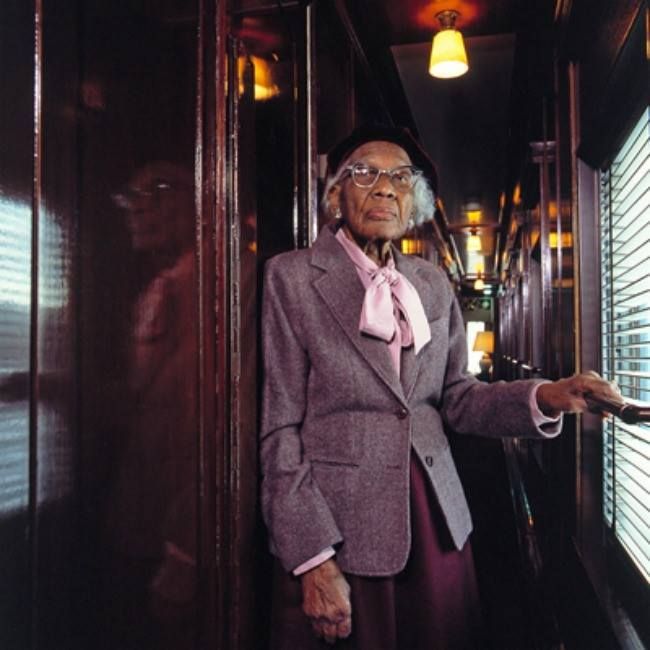
Tucker, depicted later in life, wearing a suit while standing in a sleeping car of a train. Photo Source: Black Our Story on tumblr.
Tucker's work was dangerous – the Pullman Company actively surveilled union organizers and their families. Company agents would follow auxiliary members, take photographs of their meetings, and report any suspected union activity. She risked her husband's job and their family's security, but persisted because she understood the stakes. Her home became a secret meeting place for union activities, and she personally collected dues from porters at train stations, hiding the money in her shopping bags to avoid detection.
The Ladies' Auxiliary became crucial during the Brotherhood's 12-year fight for recognition. When porters faced retaliation or termination for union activities, the auxiliary provided support to their families. They organized boycotts of businesses that opposed the union, raised funds for striking workers, and maintained morale through years of struggle. The women's network connected porters across different routes and cities, creating a formidable force in the labor movement.
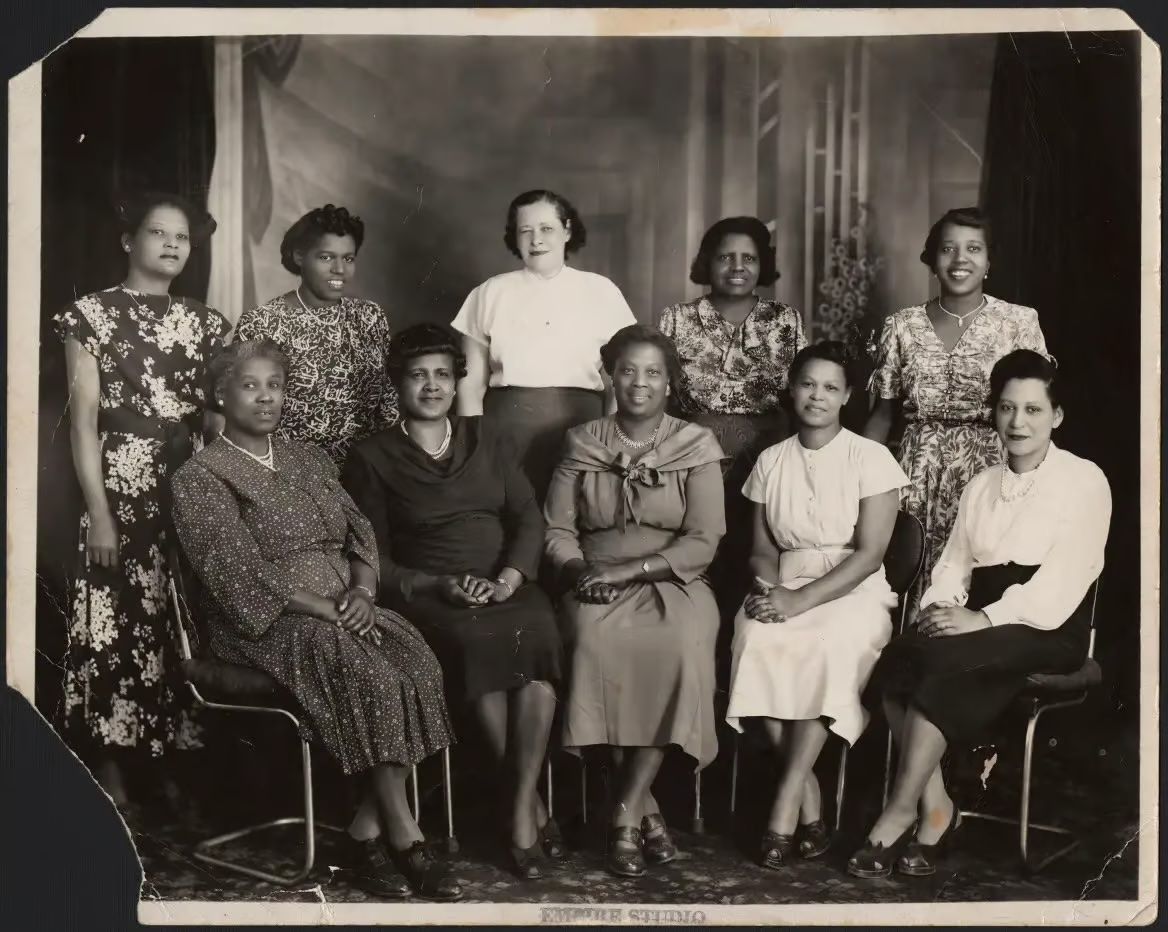
Photo of the members of the Ladies Auxiliary, Toronto Pullman Division, Brotherhood of Sleeping Car Porters, of ten women in fine dress seated in a portrait setting. Photo Source: Library and Archives Canada Blog
Tucker's organizing went beyond immediate labor concerns. She knew that the fight for labor rights was inseparable from the broader struggle for civil rights. The auxiliary provided citizenship classes, voter registration drives, and political education. They connected the porters' struggle to the larger fight against segregation and discrimination.
The Brotherhood won recognition in 1937, becoming the first Black-led union to secure a collective bargaining agreement with a major U.S. corporation. And Tucker continued organizing. She became the first woman to serve on the union's national board, paving the way for greater female leadership in the labor movement. Her work demonstrated that successful labor organizing required the involvement of entire communities, not just workplace activists.
“Today is my day, as it is your day. Although I live far removed from the time when I was born, I do not feel that my heart should dwell in the past. It is in the future. While I live, let not my life be in vain. And when I depart, may there be remembrance of me and my life as I have lived it.Rosina Corrothers Tucker
Tucker's legacy lives on, reflected in modern labor movements that recognize the importance of community support and family involvement. She showed that effective organizing must address both workplace conditions and the broader social context in which workers live. Her innovative strategies – using social networks, creating mutual aid systems, and connecting labor rights to civil rights – remain relevant for today's labor organizers. The story of the Ladies' Auxiliary reminds us that behind every successful labor movement are networks of support that extend far beyond the workplace.
Reflection Questions
Consider how Tucker recognized the importance of family and community support in labor organizing. How can today's labor movements build similar support networks?
Tucker's work showed how women's unpaid labor often sustains social movements. How do we ensure this vital work is recognized and valued?
Learn More
Learn more about Tucker in her autobiography, “My Life as I Have Lived It: The Autobiography of Rosina Corrothers-Tucker, 1881-1987”Watch "Miles of Smiles, Years of Struggle," a documentary featuring Tucker's interviews about the Ladies' Auxiliary.Read “The Women Behind the Brotherhood” by Katherine DeGroffWatch this episode outlining Tucker’s legacy at the Resolved Labor Podcast.
Never miss a story
Get stories of overlooked and untold Black history in your inbox, free every week.