Stephanie St. Clair
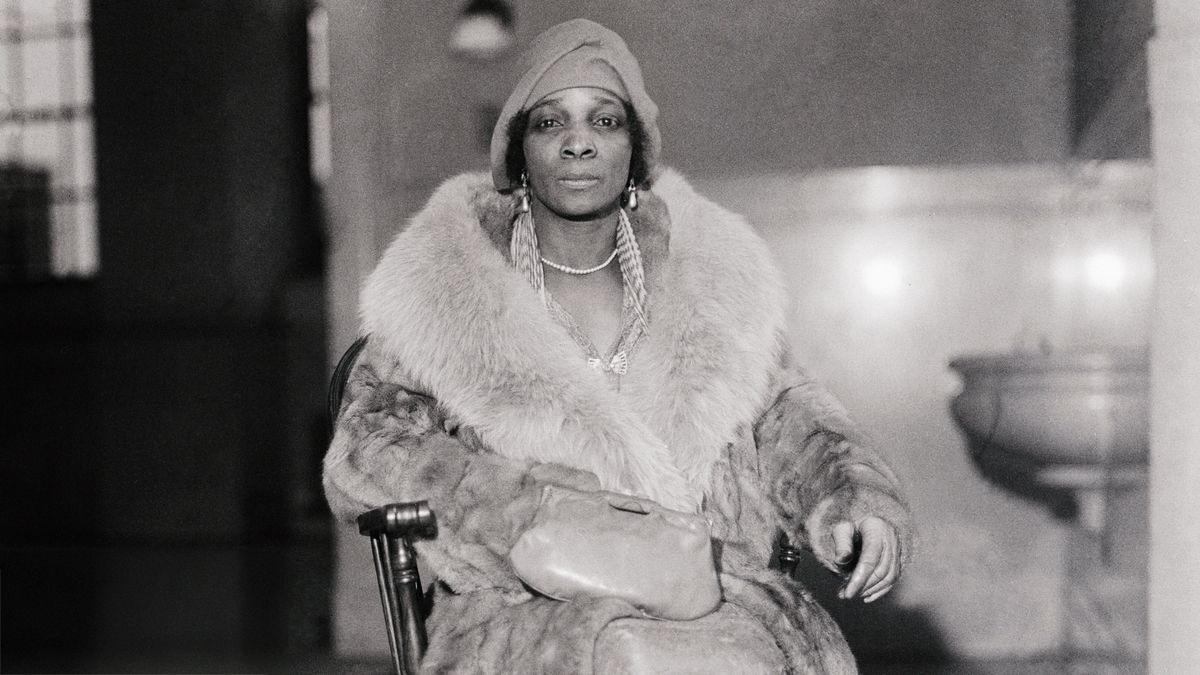
Day 8: Stephanie St. Clair
Stephanie St. Clair was a Caribbean woman living in Harlem who used the “numbers racket” to create economic opportunities for Black workers during the Great Depression. While operating in a legal gray area, she stood up against both mob exploitation and police corruption, becoming a powerful advocate for Harlem's Black community.
When Stephanie St. Clair arrived in Harlem from the Caribbean (I found conflicting reports on which island) in the 1910s, she had $10 to her name and big dreams. Within a decade, she would build a business empire and become one of the most powerful figures in Harlem, known for both her entrepreneurial success and her fierce resistance to exploitation of the Black community.
St. Clair understood something fundamental about Harlem's economy: Black residents had few legitimate opportunities for wealth creation in the segregated banking and business system. She saw how numbers running – an informal lottery system – could be transformed from mere gambling into a form of economic self-help for the Black community.
"The numbers game is not just gambling," she would say. "It's a banking system for people who can't use regular banks." Indeed, her operation functioned as an alternative financial institution. Players could bet as little as a penny, and winnings were paid out reliably – unlike many white-operated gambling operations that often cheated Black customers.
St. Clair ran her business differently from her competitors. She employed Black women as "runners" and clerks, providing jobs when few were available. She paid above-market wages and protected her employees from police harassment. She reinvested profits into the community through loans to Black businesses and support for community organizations.
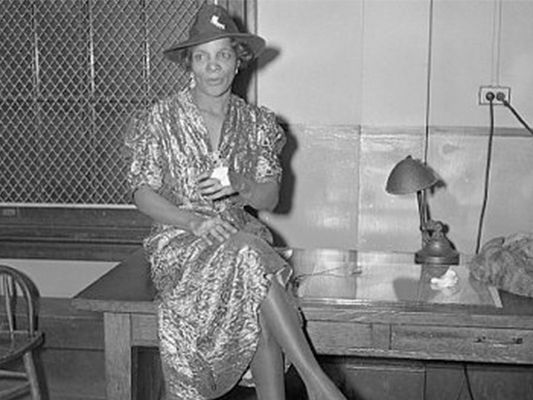
Black and white photograph of St. Clair seated atop a desk, wearing a fedora and a sparkly dress. Photo Source: Blackpast.
Her success attracted unwanted attention. In the late 1920s, white mobsters tried to take over Harlem's numbers operations. Dutch Schultz, a notorious gangster, demanded St. Clair pay protection money or surrender her territory. She refused, famously declaring, "I won't sell out my people." The resulting conflict showed St. Clair's strategic brilliance. She used newspaper advertisements to expose police corruption and mob exploitation. She testified before the Seabury Commission investigating police corruption. She organized other Black numbers operators to resist mob takeovers.While fighting these external threats, St. Clair also worked to legitimize her business. She paid taxes on her earnings and kept meticulous records. She hired Black lawyers and accountants, providing professional opportunities rarely available to Black professionals. She fought for better police protection for Harlem businesses.Perhaps most significantly, St. Clair used her influence to support civil rights causes. She funded legal cases against discrimination. She supported Black political candidates who promised to fight corruption. She wrote regular columns in the Amsterdam News exposing injustice and calling for Black economic independence.
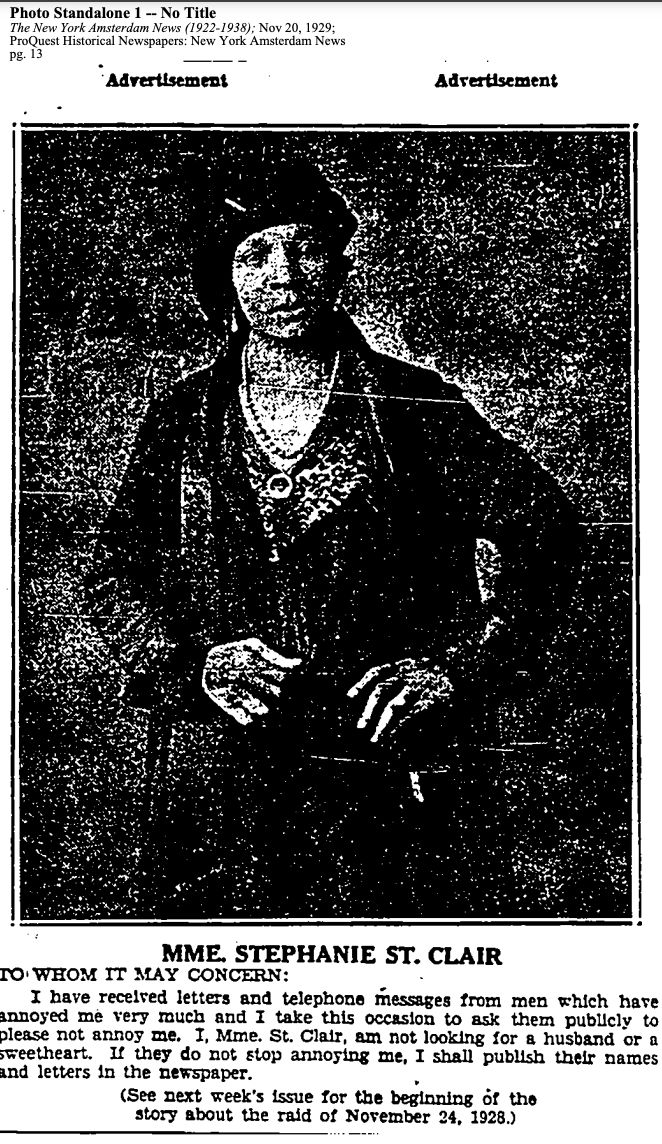
Screenshot from the Amsterdam News archives of an ad that St. Clair paid for in the paper to dissuade prospective suitors. Photo Source: Black Quotidian
Her resistance came at a cost. She faced repeated arrests and harassment. In 1935, after Dutch Schultz was murdered, the new mob leadership forced her out of the numbers business. But rather than flee, she remained in Harlem, investing in legitimate businesses and continuing her advocacy work.
While operating in a legal gray area, St. Clair created economic opportunities when few existed for Black Americans. She stood up to both organized crime and systemic racism, and was a testament to how Black women built and controlled significant business enterprises despite overwhelming odds.
Reflection Questions
St. Clair built alternative economic institutions when mainstream ones excluded Black Americans. What alternative institutions might be needed today to address ongoing economic inequality?
Consider how St. Clair used her business success to support broader community advancement. How can successful Black entrepreneurs today balance business success with community responsibility?
Learn More
Read "Playing the Numbers: Gambling in Harlem Between the Wars" by Shane White for context about the era's informal economy.Study the archives of the Amsterdam News to read St. Clair's original columns about corruption and civil rights.Watch documentaries about Harlem in the 1920s and 1930s to understand the social context of St. Clair's work.Explore the Museum of the City of New York's exhibits on Harlem's history.
Never miss a story
Get stories of overlooked and untold Black history in your inbox, free every week.