Stormé DeLarverie
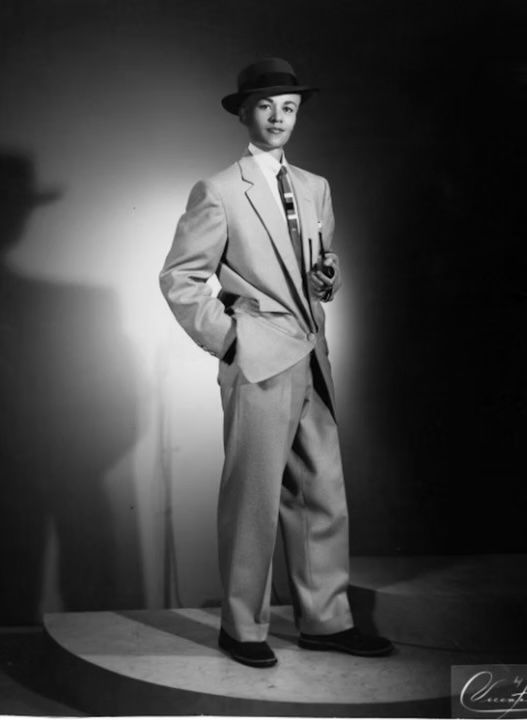
A black and white full body photograph of DeLarverie standing on the stage in the spotlight wearing a bowler hat and loose-fitted suit, holding a pipe or cigarette holder looking at the camera with a confident gaze. Photo Source: Stormé DeLarverie Photographs, Photographs and Prints Division, Schomburg Center for Research in Black Culture
Stormé DeLarverie was an activist, community leader, fashion icon and influential figure remembered for her role in sparking the Stonewall Uprising.
Born in New Orleans on December 24, 1920, to a Black mother and a white father, DeLarverie faced racial and sexual discrimination from a young age. Despite these challenges, she went on to become an iconic entertainer, performing as the only drag king – a person who identifies as a woman and adopts masculine dress and mannerisms during performance – in the Jewel Box Revue, North America's first racially integrated drag revue, engaging audiences at prestigious venues like the Apollo Theater and Radio City Music Hall.
What DeLarverie is most remembered for, though, is her involvement in the Stonewall Riots. On this monumental day in history, police raided the Stonewall Inn, a popular gay bar in Greenwich Village of New York City. The space was designed as a refuge for LGBTQ+ people constantly discriminated against and criminalized by society, and patrons knew they could drink and dance safely there. By 1969, the bar was one of the most popular in the country.
Spaces like this were accustomed to being raided by the police, a tactic used not only to criminalize people for being gay, but to incite fear and discomfort in the community. In fact, the Stonewall had a white lightbulb hanging from the ceiling that the staff would turn on when police approached, giving patrons time to stop dancing and separate from others to avoid being arrested for "lewd conduct." "Masquerading," or dressing as a different gender than society deemed appropriate, was also against the law, so drag queens and kings like DeLarverie would be arrested.
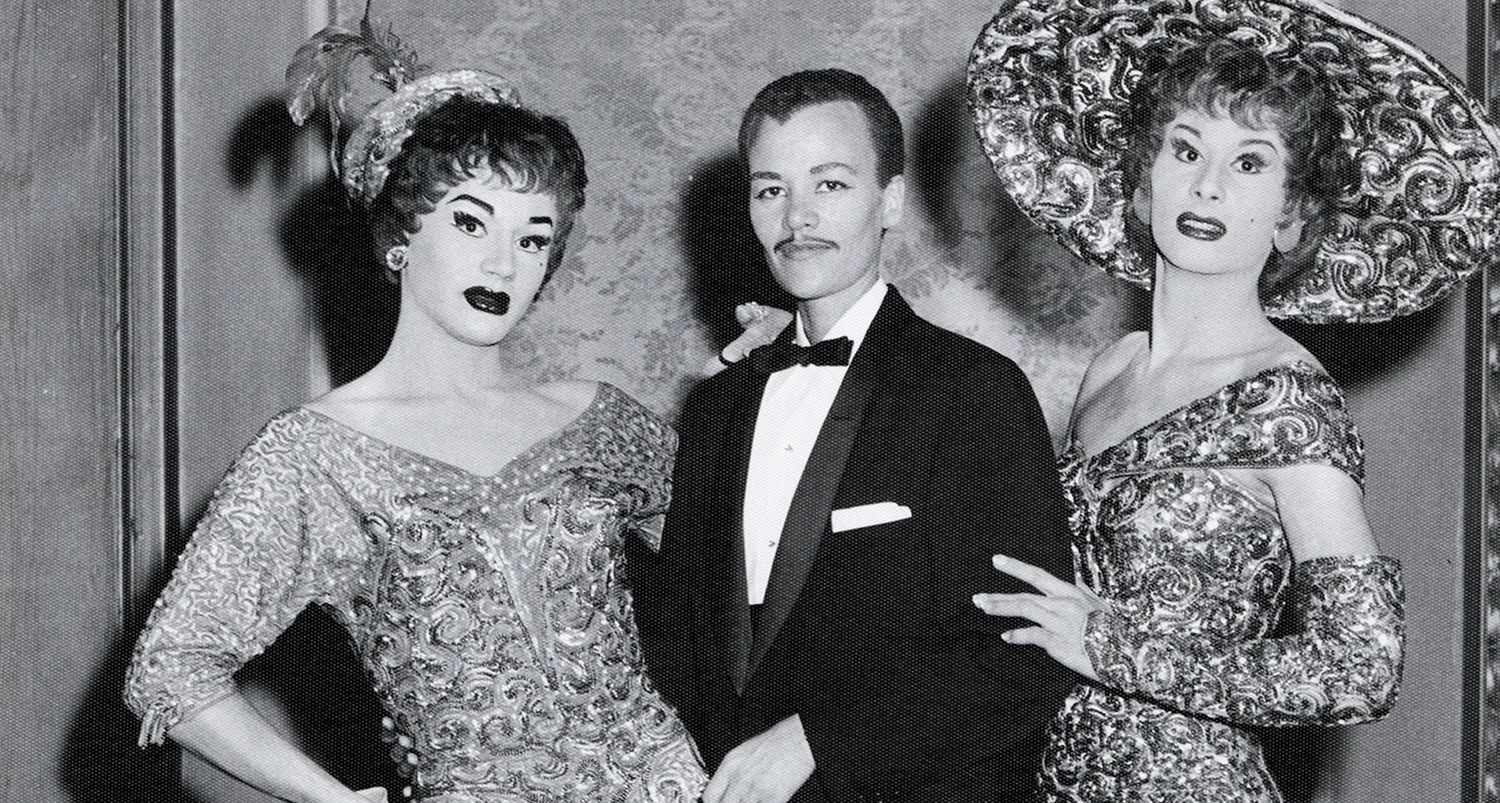
A black and white photograph of DeLarverie, center, next to two people in elegant feminine attire and makeup. Photo Source: Stormé DeLarverie Photographs, Photographs and Prints Division, Schomburg Center for Research in Black Culture.
On June 28, 1969, one of these police raids changed the course of history. When the police tried to force the patrons to leave the bar, they refused. One officer struck one of the patrons dressed in masculine attire in the head with a baton, and DeLarverie punched back in response, a story confirmed by Lisa Cannistraci, an owner of the Village lesbian bar Henrietta Hudson and DeLarverie's legal guardian. "Nobody knows who threw the first punch, but it's rumored that she did, and she said she did," Ms. Cannistraci told the New York Times in 2014. "She told me she did."
Although two transgender women of color, Marsha P. Johnson and Sylvia Rivera, are also credited with sparking the rebellion by throwing the first object at the officers, LGBTQ+ historians and those present emphasize how important it is to honor DeLarverie's influence and the collective uprising's impact.
The six-day protest that followed mobilized LGBTQ+ communities and their allies both in the city and across the U.S. and sparked the LGBTQ+ movement of the 1970s.
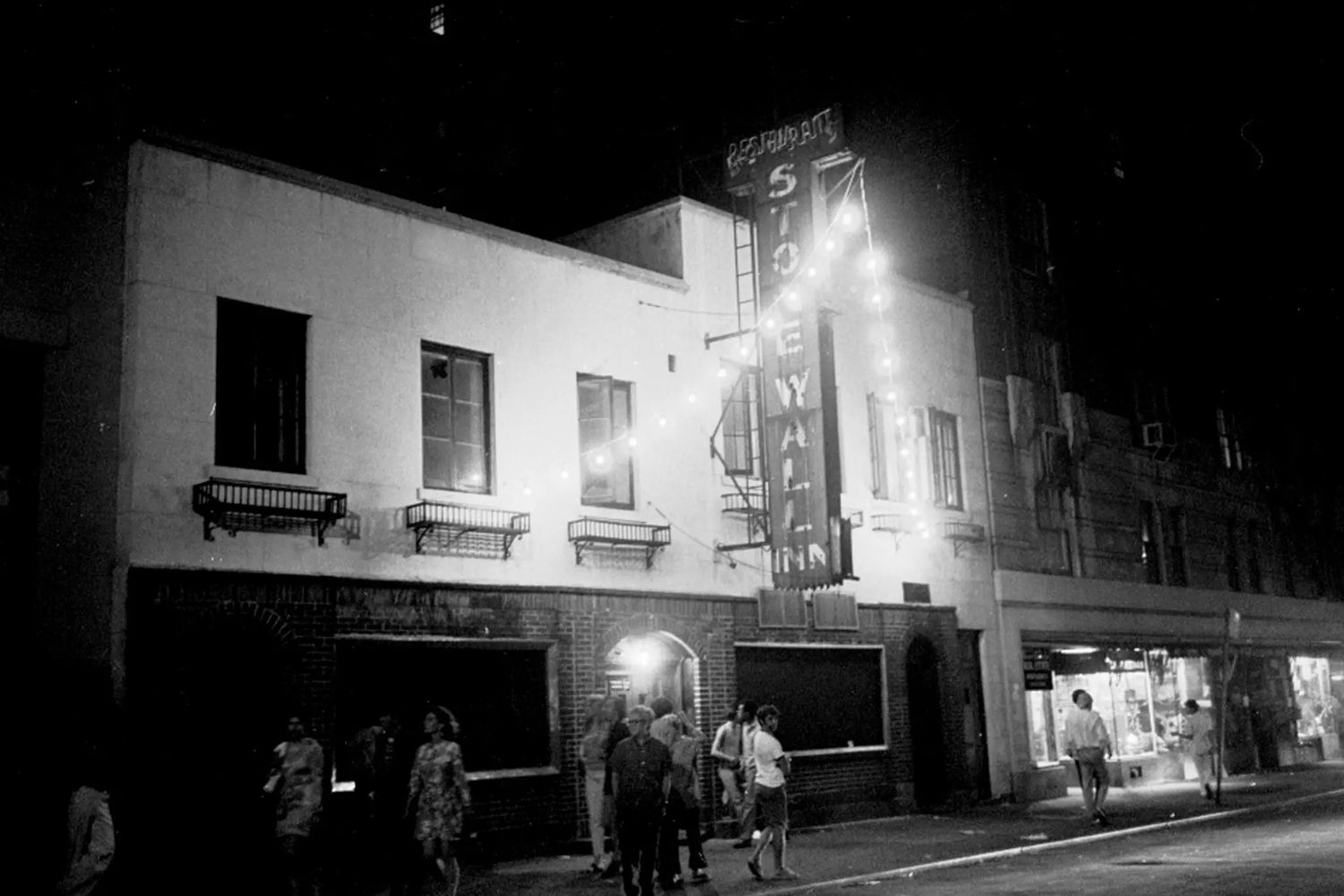
A black and white photograph of the Stonewall Inn, taken in 1969. Photo Source: NYTimes
Apart from her role in Stonewall, DeLarverie's influence extended into fashion and advocacy. Her androgynous style and refusal to conform to traditional gender roles challenged societal norms and inspired many in the LGBTQ+ and fashion communities. She was a fixture in New York City's Greenwich Village, where she worked as a bouncer and street patrol volunteer, earning the nickname "the guardian of lesbians in the Village" for her efforts to protect the community from harassment and violence.
DeLarverie's activism didn't stop at the LGBTQ+ community. She also organized benefits for battered women and children, showcasing her broad commitment to human rights. Residing at the Hotel Chelsea, she remained an active and beloved member of the New York City LGBTQ+ scene until her later years, even as she battled dementia.
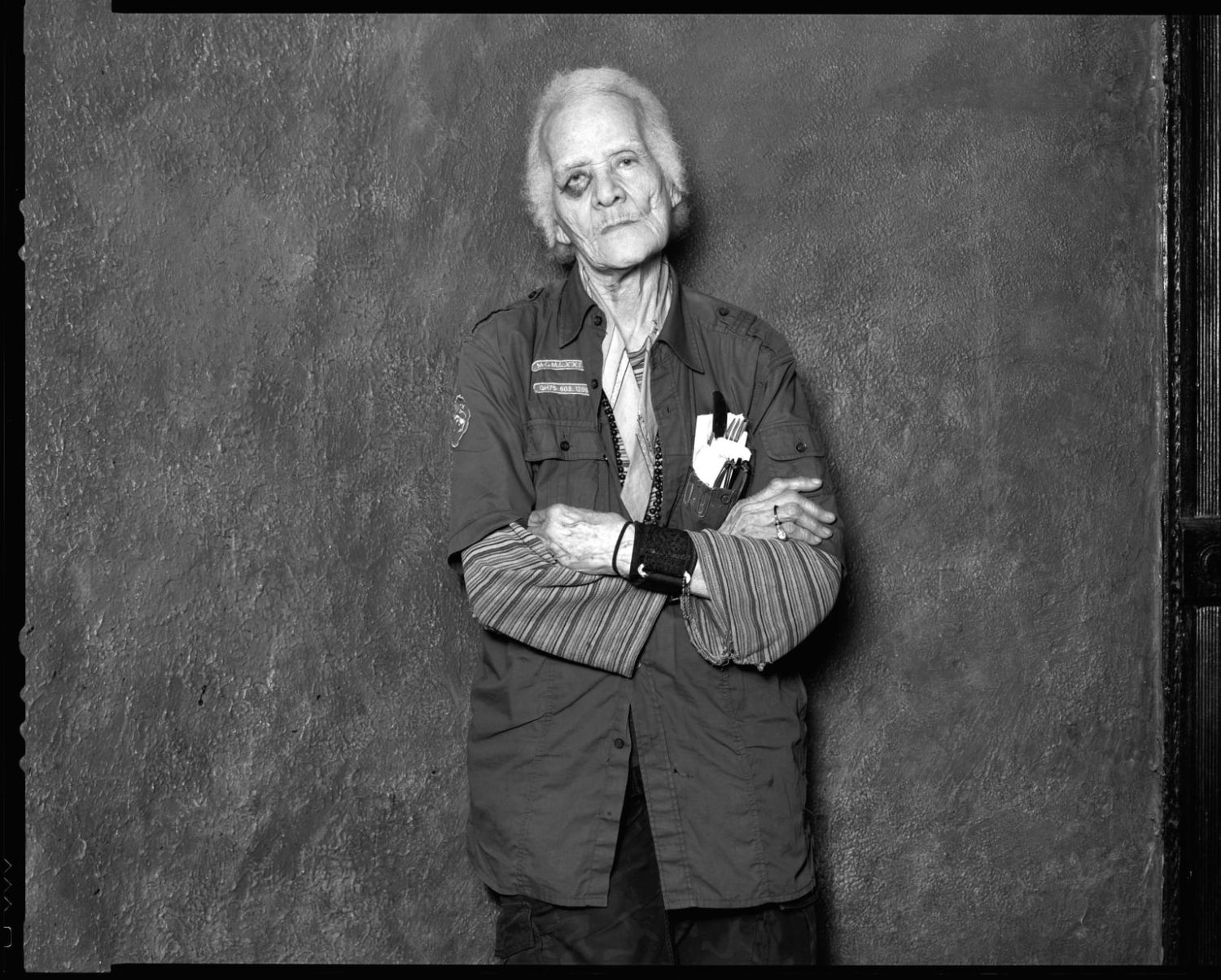
A photograph of DeLarverie, taken when she was about 90 years of age and living at the iconic Chelsea Hotel. She’s wearing layered button down and a scarf, standing with her arms crossed, and sporting a serious black eye, allegedly from a recent bar fight. Photo taken by Tony Notarbernadino.
Stormé DeLarverie passed away in her sleep in May 2014. She had no immediate family, but left behind a large community born from her legacy that significantly shaped LGBTQ+ history and rights. She was posthumously honored among the inaugural fifty American "pioneers, trailblazers, and heroes" inducted on the National LGBTQ Wall of Honor within the Stonewall National Monument. DeLarverie's life story is a testament to the power of resilience, courage, and the enduring fight for equality.
Reflection Questions
Why is it important to express yourself, even if you don't see that modeled in your community?The materials referenced in this article talk about the misconceptions of "who started" the Stonewall Uprising. Why is it important to honor all people that made the uprising possible?What type of discrimination and hostility do LGBTQ+ members experience today? What type of legislation can you think of reflects the "lewd conduct" and "masquerading" laws of the 1960s?
Learn More
Read this 2010 NYTimes interview with DeLarverie taken late in her life.Read “When “Remembering Stonewall, We Need To Listen to Those Who Were There,” an article about honoring our elders and their stories.Review all the anti-trans legislation that Trump has signed in his first weeks (weeks!) of his second term.Read this interview with Lisa Cannistraci about her relationship with DeLarverie and experience running a NYC lesbian bar.Watch "Stonewall Uprising" (2010), an American Experience documentary that includes interviews with witnesses and participants, including footage of DeLarverie. Available to stream on PBS and Internet Archive.Watch "Happy Birthday, Marsha!" (2018), which explores the lives of Marsha P. Johnson and Sylvia Rivera, DeLarverie's fellow Stonewall veterans. Available on Amazon Prime Video.Explore NYPL's LGBTQ+ Collections, which include hundreds of archival collections documenting LGBTQ+ history and the Stonewall era.
Never miss a story
Get stories of overlooked and untold Black history in your inbox, free every week.