TDOR
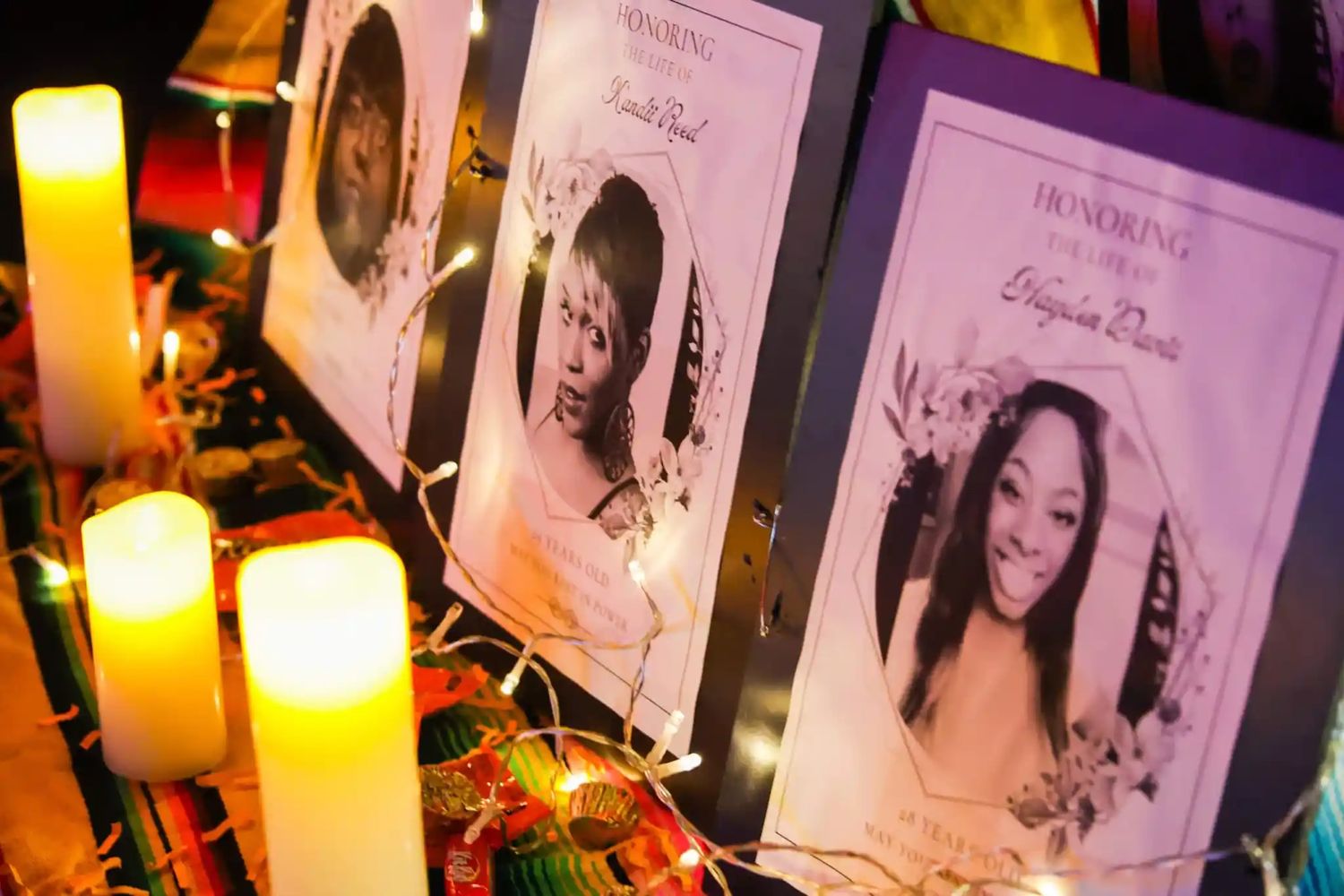
Trans Day of Remembrance
Rita Hester was murdered on November 28, 1998. Originally from Connecticut, Rita had moved to Boston in her twenties and became a well-known and loved member of the local rock community. She was a regular in the nightlife scene and known for her glamorous fashion — often wearing opera-length gloves, big costume jewelry, and her favorite colors: black and purple. Her killer was never found. Learn more about her life in this thoughtful reflection.
When local news reported on Hester's murder, they often misgendered her or incorrectly referred to her by her deadname. Some made snide comments about her life, implying she was confused, a "mystery," or "living a double life." Over 250 people attended her candlelit vigil, all looking for a space to hold her life in the light it deserved.
When transgender advocate Gwendolyn Ann Smith heard about Hester's murder, it reminded her of Chanelle Pickett, another local Black trans woman who had been murdered three years prior. Pickett was just 23 years old and described as "full of life" with "many goals." She and her twin sister had moved to Boston two years earlier. Her killer was acquitted of murder charges. Learn more about her life in this reflection.
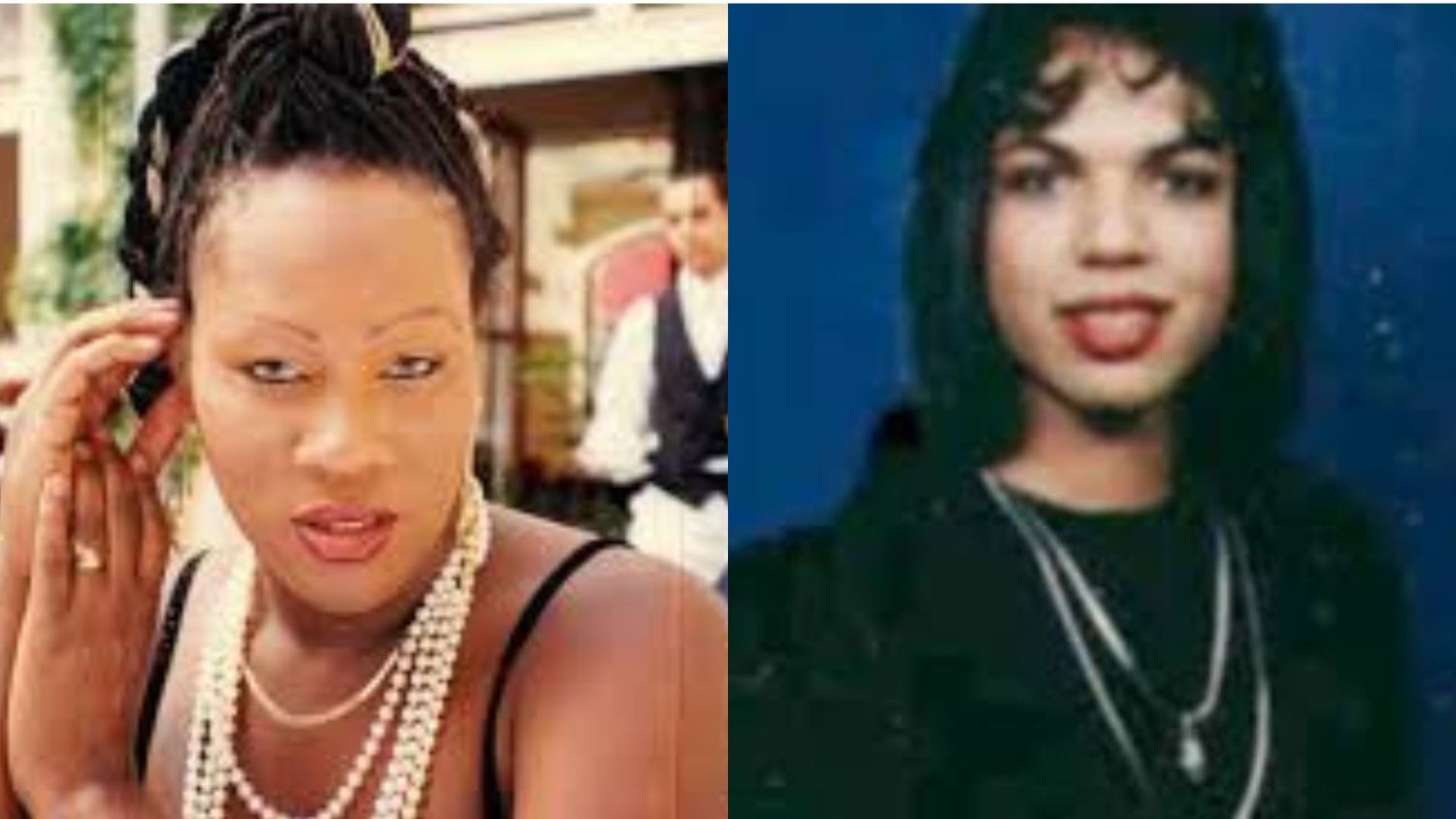
Two photographs side by side, one of Rita Hester (left) and Chanelle Pickett (right). Hester is depicted seated outdoors wearing a thin strapped top and strands of pearls looking at the camera with an alluring face. Pickett is seated in a portrait session wearing black and silver necklaces, looking at the camera with a soft smile. Photo Sources, from left: WBURG, Gender Talk
Smith was surprised to learn that none of her friends remembered Pickett's story. In such a short period of time, Pickett had been forgotten — one of the many lost to anti-trans violence. During this time, violence against LGBTQ+ people in Boston had risen by 36%. If people didn't remember, how would they fight against it? Smith didn't want people to forget. So on November 20, 1999, she and fellow trans activist Penni Ashe Matz hosted two vigils: one in San Francisco and one in Boston. That evening honored Pickett, who had died on that date four years prior, along with Hester and all others lost to anti-trans violence. This was the start of Transgender Day of Remembrance (TDOR).
"Transgender Day of Remembrance seeks to highlight the losses we face due to anti-transgender bigotry and violence. With so many seeking to erase transgender people — sometimes in the most brutal ways possible — it is vitally important that those we lose are remembered, and that we continue to fight for justice."
— Gwendolyn Ann Smith
The commemoration grew each subsequent year. By 2010, TDOR was being held in over 185 cities across more than 20 countries. The format is simple: communities gather — at parks, community centers, churches, and other public spaces — to read aloud the names of transgender people killed that year. Some events also include marches, art shows, film screenings, and food drives. The week before November 20 is now recognized as Transgender Awareness Week, when communities celebrate the lives and legacies of transgender people and raise awareness about transphobia and anti-trans violence.
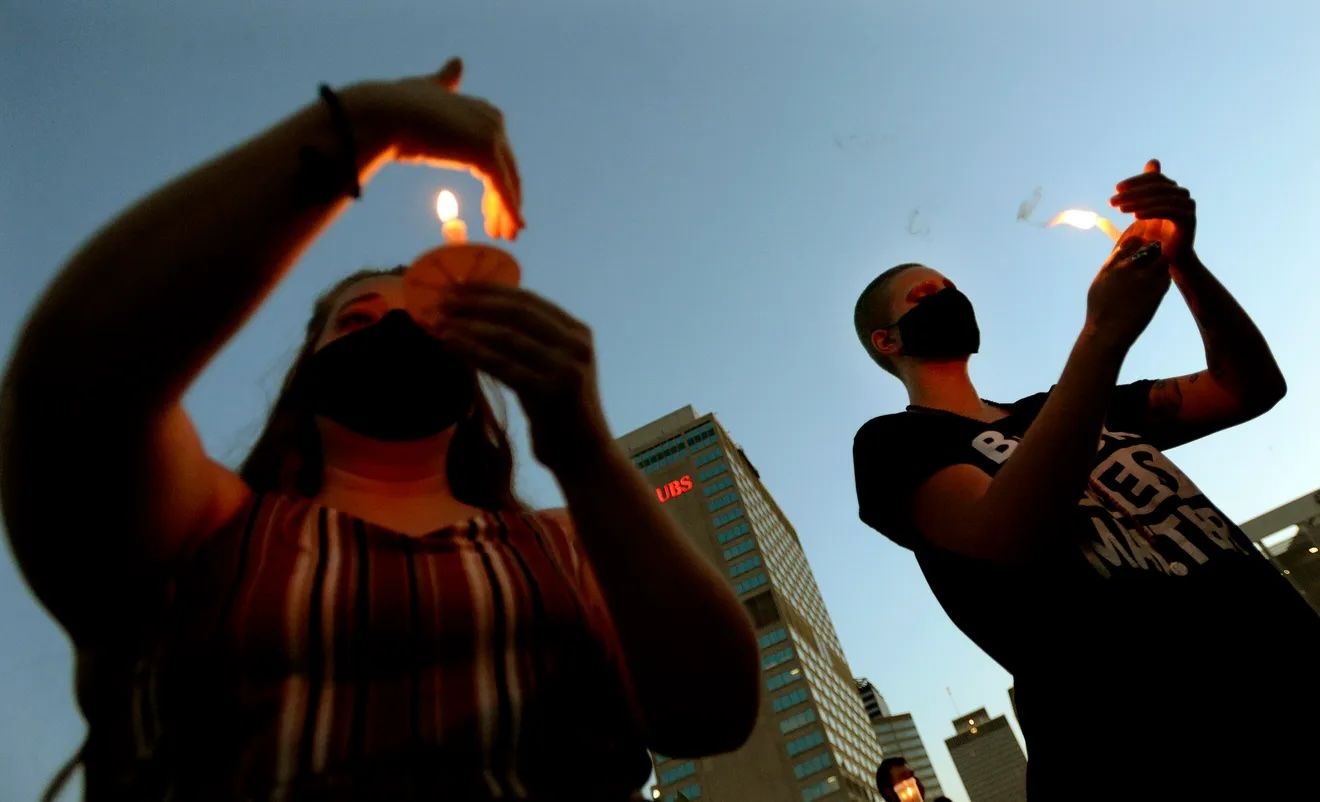
A photograph, taken from below the subjects, depicts two people holding candles and cupping the flame with their hands underneath the evening sky. Photo Source: The Tennessean
This annual ritual has helped bring transgender issues into mainstream culture, and it continues to gain recognition from major leaders and institutions. In 2021, the Biden administration became the first to publicly recognize TDOR and name the number of trans people who lost their lives to violence. That same year, Representative Ayanna Pressley read all 46 of their names aloud on the House floor, joined by members of the Congressional Equality Caucus.
That tradition of remembrance carries extra urgency right now. On his first day back in office, President Trump signed an executive order defining sex for the federal government as a strictly male-female binary and ordered federal agencies to end all recognition of gender identity. Since then, the administration has restricted access to accurate federal identity documents, threatened to withhold hospitals' federal funding over gender-affirming care, and removed trans history from federal websites and school curricula. These actions disproportionately impact trans people of color, especially Black trans women — like Rita Hester and Chanelle Pickett.
Against that backdrop, gathering to say the names of those lost is both an act of remembrance and an act of resistance. Commemorations like TDOR ensure that these names won't be forgotten, that this violence will not go unanswered, and that the trans community receives the dignity and justice it deserves.
Reflection Questions
Black trans women are much more likely to experience violence than other trans people. What does that tell us about the intersections of race and gender? Gwendolyn Ann Smith started TDOR because she watched a community forget a murder in three years. What are the costs of forgetting — and who bears them?The Trump administration has moved to erase transgender identity from federal policy. How does a vigil that reads names out loud function as a political act?
Learn More
Support Black trans justice and equity by supporting the work of organizations like Lavender Rights Project, For the Gworls, and the Black Trans Advocacy Coalition.After the murder of Rita Hester, Gwendolyn Ann Smith also started Remembering Our Dead, a digital dedication to every trans life lost around the world.In 2020, a rally for Black trans people became a unforgettable protest. Learn more.Watch this short talk show interview with Chanelle Pickett and her twin sister, Gabrielle, talking about living life as women.
Never miss a story
Get stories of overlooked and untold Black history in your inbox, free every week.